Why Does an Electric Fireplace Smell?
A Manufacturer-Level Guide for Distributors, Installers, and Project Buyers
Introduction
Odor-related inquiries are among the most common after-sales questions in the electric fireplace industry.
For distributors, installers, and project buyers, these concerns are not about personal comfort alone — they directly affect product acceptance, return rates, and brand reputation.
This guide explains why electric fireplaces may produce odors, how to distinguish normal behavior from potential issues, and — more importantly — how professional manufacturers prevent odor-related complaints through design, testing, and maintenance guidance.

1. Common Odors During First Use (Normal Break-In)
Typical Observations
- “Burning plastic” smell during first use
- Slight chemical odor when heating mode is activated
- Odor fading after several operating cycles
Manufacturer-Level Interpretation
In most cases, this smell is not plastic combustion.
It is typically caused by:
- Protective coatings on heating elements
- Residual manufacturing compounds on internal components
- Dust accumulated during storage and transport
During the first few heating cycles, these substances are gradually burned off — a process known as initial burn-in.
Professional Evaluation Criteria
|
Condition Assessment |
Assessment |
|
Odor fades after several heating cycles |
Normal |
|
No overheating or deformation |
Acceptable |
|
Stable airflow and temperature |
Normal |
For B2B buyers, this behavior is industry-standard and not considered a defect.
2. Persistent or Recurrent Odors (Requires Inspection)
If the smell persists beyond initial use, it may indicate a technical or installation-related issue.
Possible Causes
- Restricted airflow due to installation environment
- Dust buildup on heating components
- Incorrect voltage or power supply mismatch
- Inadequate clearance around air inlets/outlets
Manufacturer Safeguards
Professional-grade electric fireplaces are typically equipped with:
- Overheat protection systems
- Automatic power cutoff mechanisms
- Certified wiring and heat-resistant materials (UL / CE / GS)
A persistent burning odor should trigger a basic inspection, not immediate product rejection.

3. Preventive Knowledge: How Odors Are Reduced Before Installation
This odor is especially common in:
- Seasonal installations
- Hospitality or showroom stock
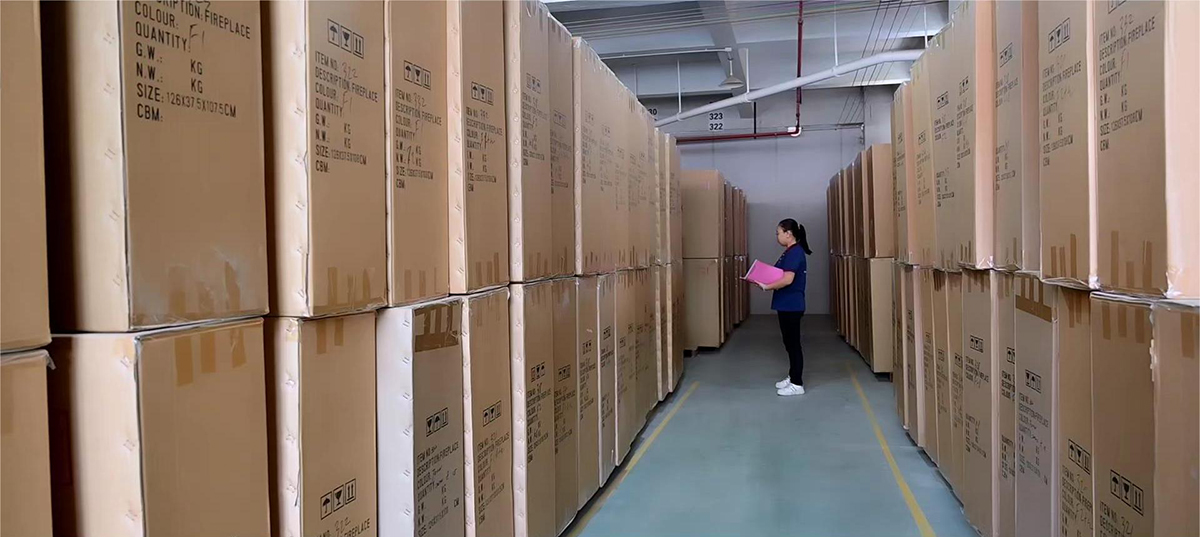
- Warehouses with extended storage periods
Explanation
Dust settling on heating elements will emit a faint odor once reheated. This is temporary and non-hazardous.
Manufacturer-Level Prevention
Reputable manufacturers minimize odor issues through:
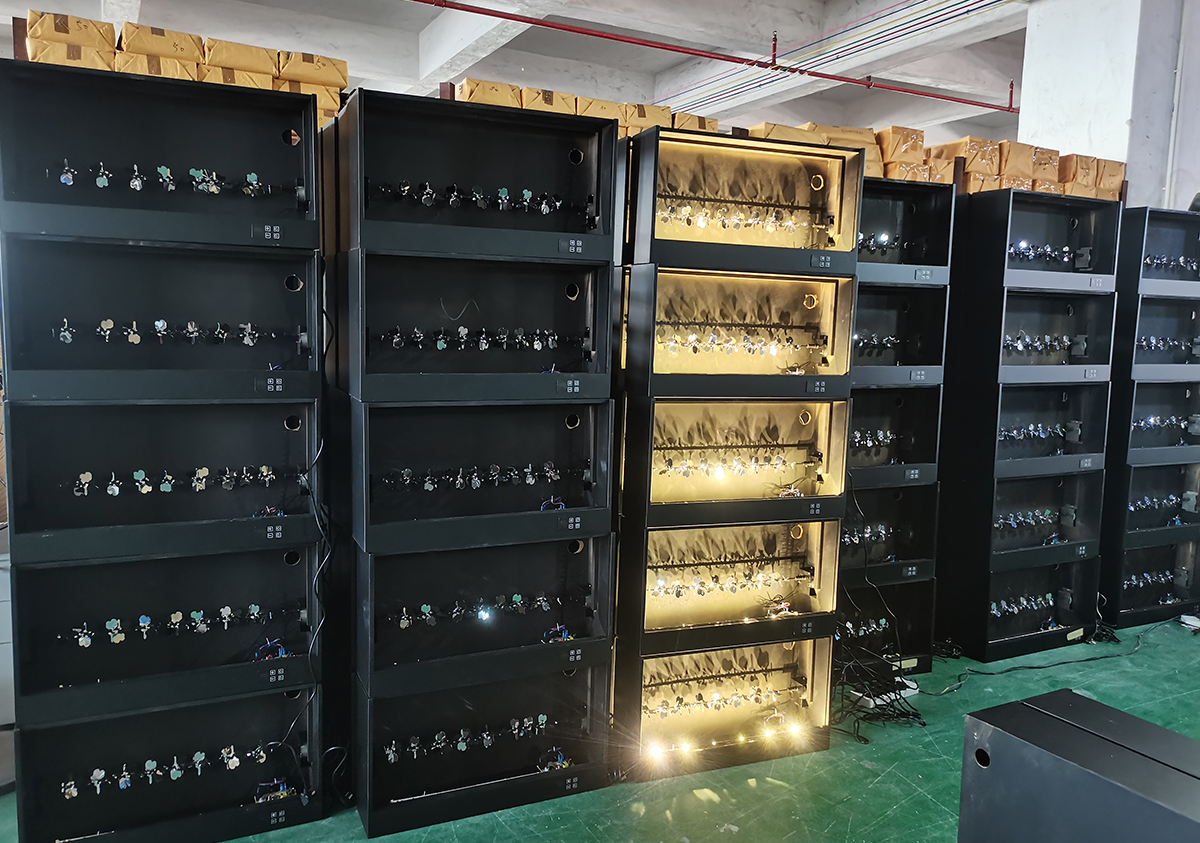
- Pre-aging or burn-in testing of heating elements
- Controlled material selection for internal components
- Thermal testing during quality inspection
- Clear ventilation and clearance requirements in manuals
Distributor & Project Buyer Best Practices
Before delivery or installation:
- Operate the unit for 20–30 minutes in a ventilated area
- Verify airflow is unobstructed
- Confirm voltage compatibility with the target market
These steps significantly reduce odor-related feedback after installation.
4. Unusual Odors (Fishy, Electrical, Sharp Smell): Red Flags
Certain smells should not be ignored:
- Strong electrical odor
- Fish-like or acrid smell
- Visible smoke or melted components
Interpretation for B2B Buyers
These symptoms may indicate:
- Electrical component failure
- Internal wiring damage
- Improper installation or power supply mismatch
In such cases, operation should stop immediately and the unit should be inspected by qualified technicians.
5. How Professional Manufacturers Reduce Odor-Related Complaints
At the manufacturing level, odor control is influenced by:
- Material selection (heat-resistant plastics and coatings)
- Pre-aging of heating elements
- Controlled burn-in testing before shipment
- Clear installation and usage documentation
Reliable suppliers typically address this by:
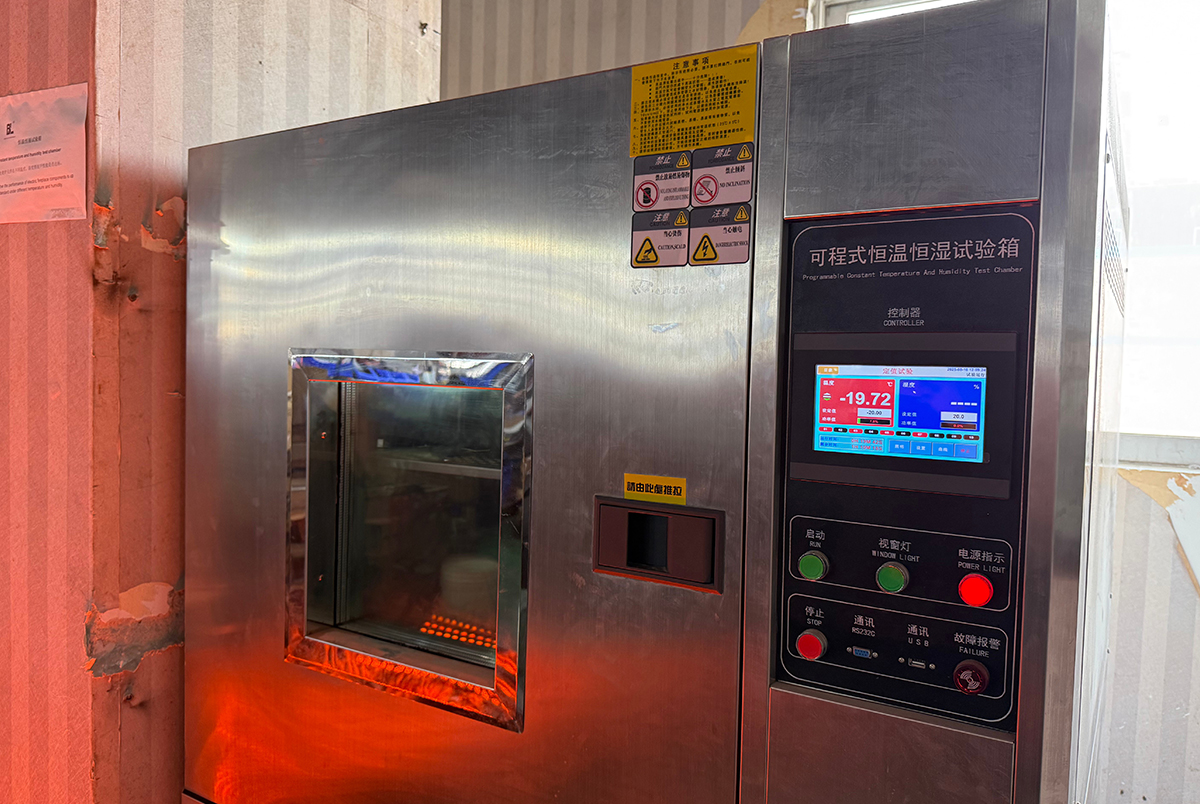
- Conducting functional heating tests during QC
- Using internationally certified components
- Designing airflow systems that prevent localized overheating
6. What This Means for Distributors and Project Buyers
For B2B decision-makers, understanding odor behavior helps to:
- Reduce unnecessary returns
- Improve after-sales communication
- Set correct expectations for installers and end users
- Protect brand credibility in competitive markets
Odor-related inquiries are rarely product failures — they are often communication and education gaps.
Daily Use & Maintenance Knowledge (B2B-Oriented)
Routine Maintenance Recommendations
- Keep air inlets and outlets free of dust
- Avoid storing units in high-humidity environments
- Inspect internal components during periodic servicing
- Ensure installation clearances match manufacturer guidelines
Why This Matters for B2B Buyers
Proper maintenance:
- Reduces warranty claims
- Lowers service costs
- Improves long-term product performance
- Protects distributor and brand reputation
Abnormal Odors That Require Immediate Attention
Certain smells should never be considered normal:
- Strong electrical or metallic odor
- Fish-like or sharp chemical smell
- Visible smoke or melting components
These may indicate electrical failure or installation error.
Operation should stop immediately, followed by technical inspection.
What This Means When Selecting a Manufacturer
For distributors and private-label brands, odor management reflects:
- Material quality
- Production control
- Engineering design
- After-sales documentation standards
A professional supplier addresses odor risks before products reach the market, not after complaints arise.
FAQ – Electric Fireplace Odor (B2B Focus)
Q1: Are odors considered a product defect?
In most cases, no. Initial odors are a normal break-in phenomenon. Persistent or abnormal odors require inspection.
Q2: Can odor issues increase return rates?
Yes — especially when distributors do not provide proper first-use guidance. Clear documentation significantly reduces unnecessary returns.
Q3: Should distributors pre-test units before resale?
For project or bulk orders, pre-testing is recommended to ensure smooth installation and end-user acceptance.
Q4: Do higher-quality fireplaces eliminate odors completely?
No product is entirely odor-free at first use, but professional manufacturing significantly reduces intensity and duration.
Q5: How can installers help prevent odor complaints?
By ensuring proper airflow, correct voltage, and adequate clearance during installation.
Conclusion
Odor-related concerns are rarely product failures — they are usually predictable, preventable, and manageable.
For distributors, installers, and project buyers, working with an experienced manufacturer ensures that odor behavior is controlled through engineering, testing, and clear technical guidance, protecting both product performance and brand credibility.
Post time: Aug-07-2024