Chimney Blocking Requirements for Electric Fireplace Installations
Chimney Blocking Requirements for Electric Fireplace Installations
Electric fireplace installations in existing chimneys are increasingly common across residential projects, retail environments, and commercial developments. As a manufacturer, we are often asked by distributors, dealers, and project partners a simple but important question:
When installing an electric fireplace into an existing chimney, how should the chimney be handled?
Although electric fireplaces do not require ventilation, chimney blocking is widely regarded as a best practice. This article explains why chimney blocking matters, when it should be applied, and which solutions are commonly used, from the perspective of manufacturers supporting distributors, installers, and commercial projects.

Do Electric Fireplace Installations Require Chimney Blocking?
From a technical standpoint, electric fireplaces do not rely on chimneys for operation. However, when an electric fireplace is installed into an existing chimney structure, blocking the chimney is generally recommended.
An open chimney can create uncontrolled airflow behind or around the electric fireplace, leading to:
- Heat loss and reduced heating efficiency
- Cold drafts entering the room
- Moisture or debris falling into the installation cavity
- Inconsistent performance between installations
For distributors and installers, these issues may result in post-installation complaints or unnecessary service calls. For this reason, chimney blocking is commonly included as part of a professional installation approach.
Why Chimney Blocking Is Considered Best Practice
In both residential and commercial settings, chimney blocking serves several practical purposes:
- Improved thermal performance: Prevents warm air from escaping through the flue
- Better comfort control: Eliminates drafts caused by open chimneys
- Protection of components: Reduces exposure to moisture, dust, and debris
- Installation consistency: Ensures repeatable results across projects
In larger projects—such as hotels, serviced apartments, or multi-unit residential developments—consistency and predictability are especially important. Chimney blocking helps installers deliver repeatable installation outcomes.
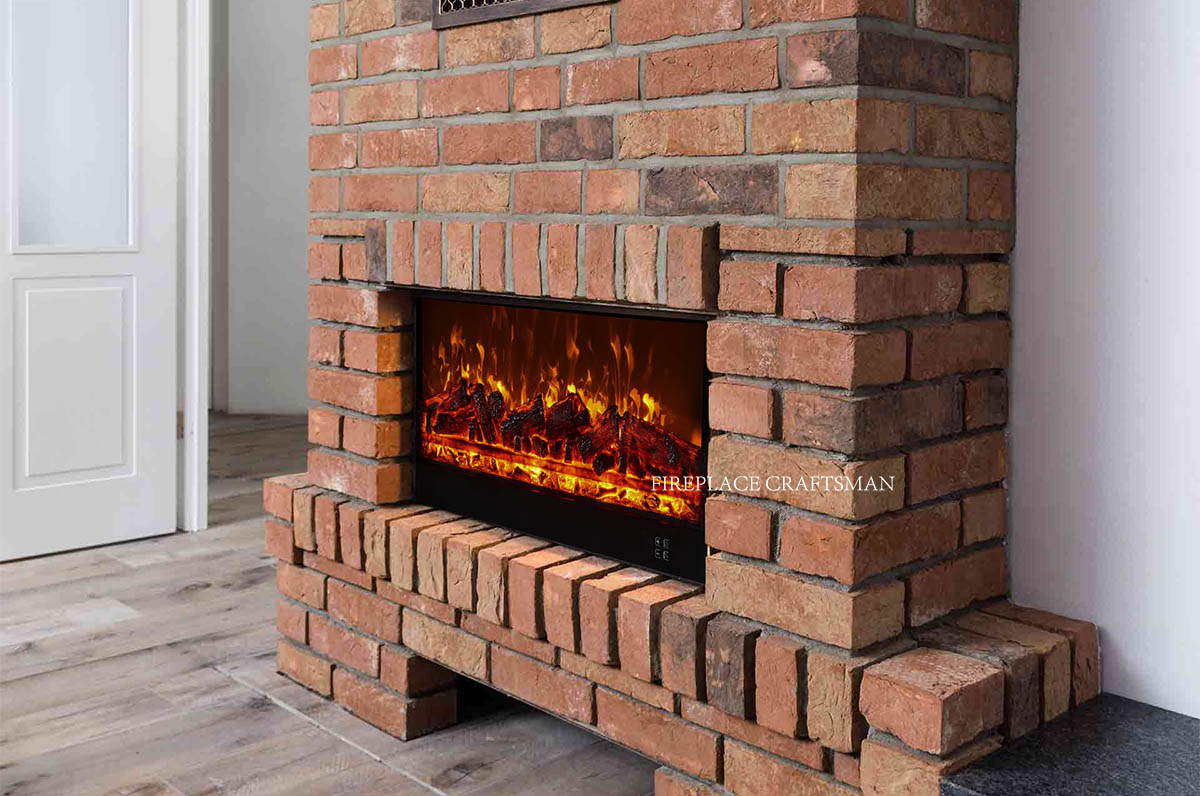
Reasons chimney blocking is considered best practice
Common Chimney Blocking Methods for Electric Fireplace Installations
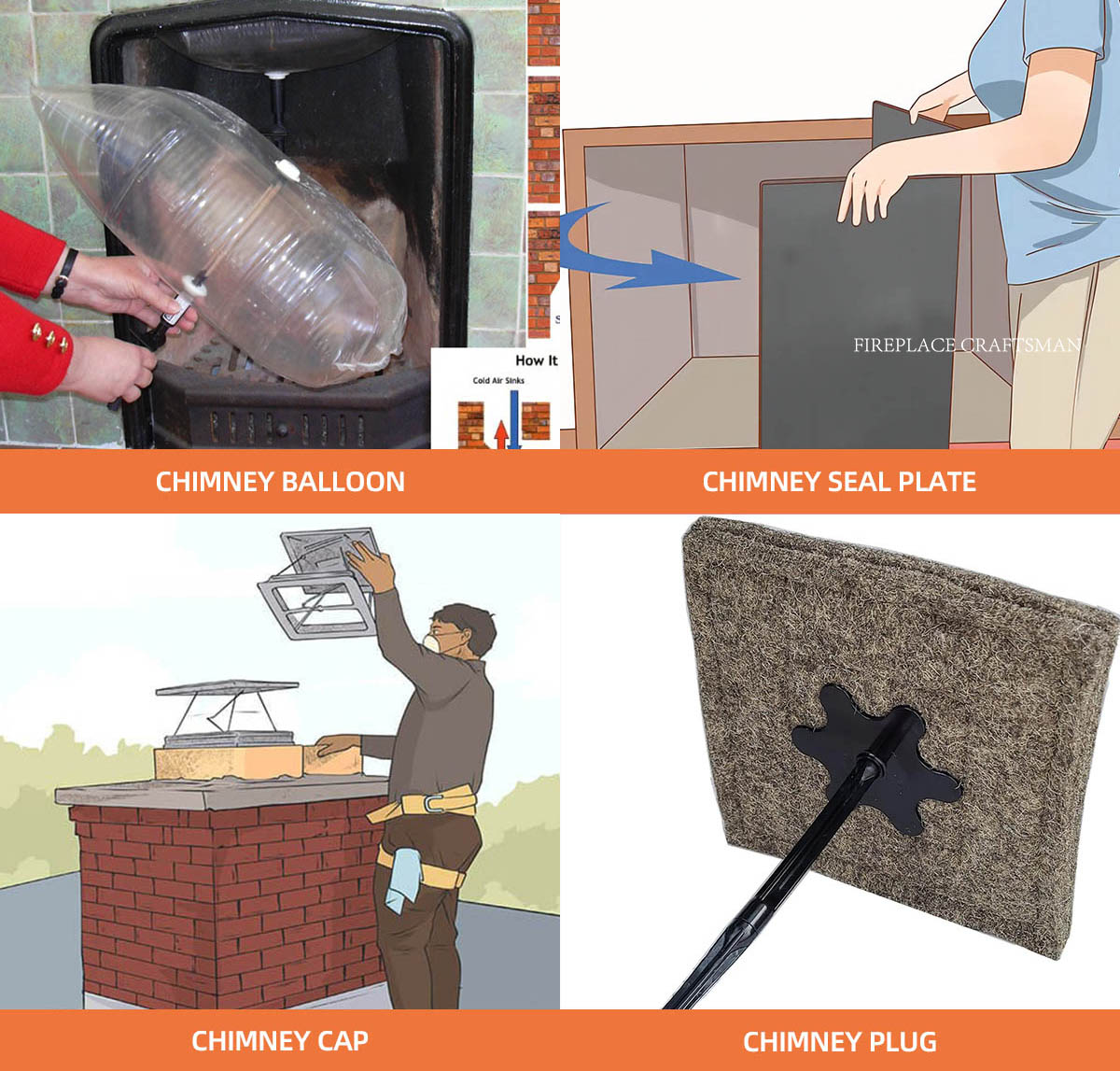
Once the decision to block the chimney has been made, the appropriate method should be selected based on installation conditions, project scale, and long-term service requirements. The following solutions are most commonly used in professional electric fireplace installations.
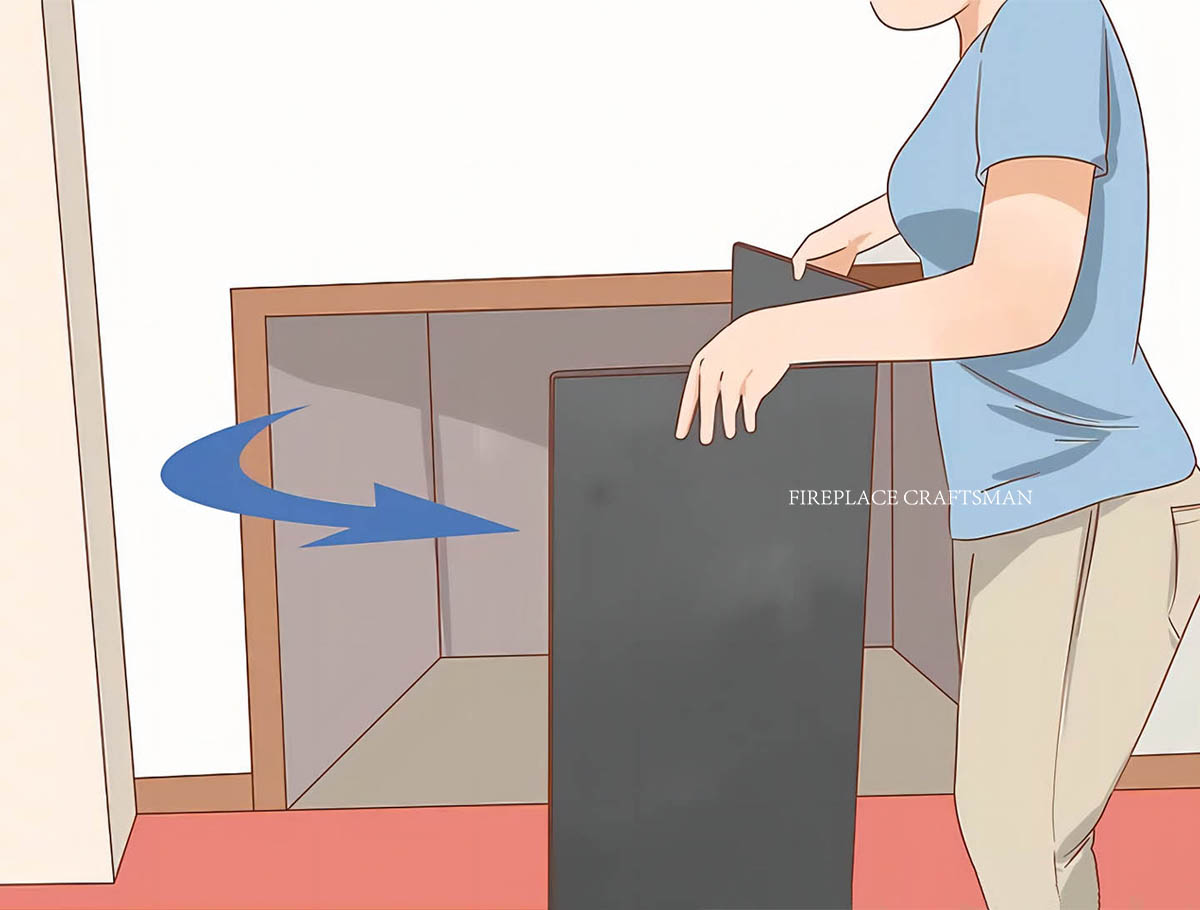
Fireplace Block-Off Plate
A fireplace block-off plate is a rigid barrier, usually made of metal or fire-resistant board, installed inside the chimney opening to seal the flue.
This solution is often specified in projects where:
- The installation is intended to be permanent
- Multiple units are installed using the same specification
- Long service life and minimal maintenance are required
For hospitality projects and multi-unit residential developments, block-off plates are frequently used as part of a standardized installation method.
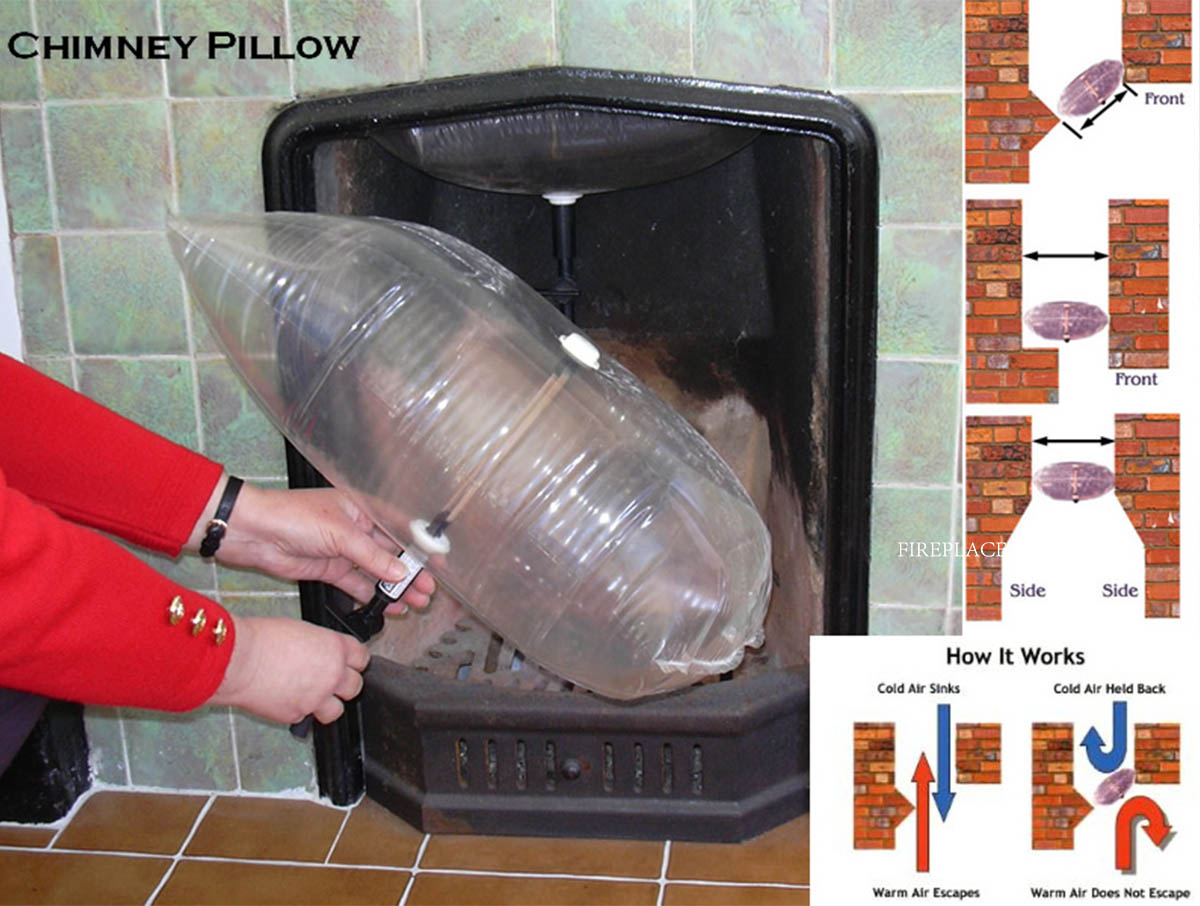
Chimney Balloon
A chimney balloon is an inflatable device placed inside the flue to temporarily block airflow.
It is typically used when:
- Installations are temporary or subject to change
- Fireplaces are installed in retail showrooms or display areas
- Easy removal is required for future adjustments
While chimney balloons are convenient, they require periodic inspection and are generally not recommended for permanent commercial installations.
Rockwool (Mineral Wool)
Rockwool, also known as mineral wool, is widely used in both residential and commercial electric fireplace installations.
It is commonly selected because it:
- Is non-combustible and fire-resistant
- Provides effective thermal insulation
- Can be easily adapted to irregular chimney shapes
In many projects, Rockwool is used in combination with a block-off plate to provide both insulation and structural sealing.

Guidance for Distributors, Installers, and Project Partners
For distributors, installers, and project partners, chimney blocking should be considered as part of the overall installation specification rather than an optional step.
Key factors to evaluate include:
- Project scale: Consistent methods are easier to manage across multiple units
- Future access: Blocking solutions should allow for inspection or upgrades if required
- Material performance: Fire resistance and durability should meet local requirements
- Maintenance planning: Commercial environments benefit from low-maintenance solutions
In hotel and serviced apartment projects, chimney blocking methods that balance durability with serviceability are often preferred.
Installing an Electric Fireplace Insert in an Existing Chimney
Electric fireplace inserts are commonly installed into existing chimneys. In these cases, chimney blocking plays an important role.
Proper chimney blocking helps to:
- Prevent airflow behind the insert
- Improve heating efficiency
- Protect electrical components from environmental exposure
For projects where inserts operate for extended periods, such as hospitality or public spaces, this step contributes to long-term reliability.
Guidance for Distributors, Installers, and Project Partners
Chimney blocking is particularly relevant for:
- Electric fireplace distributors and dealers providing installation guidance
- Furniture retailers expanding their electric fireplace product offerings
- Contractors responsible for multi-unit or repeat installations
- Hotel operators and hospitality managers focused on guest comfort
- Developers managing apartment or mixed-use projects
For these partners, chimney blocking is not simply a technical detail. It is part of delivering a professional installation standard, reducing post-installation issues, and ensuring consistent product performance.
Conclusion: Supporting Reliable Electric Fireplace Installations
Although electric fireplaces do not require chimneys to function, blocking existing chimneys is widely regarded as best practice when installations involve existing flues.
By understanding when and how chimney blocking should be applied, distributors and installers can better manage installation quality, reduce follow-up issues, and deliver consistent results across projects.
This article is intended as a technical reference from a manufacturer’s perspective. Installation methods may vary depending on local regulations and specific project conditions.
Post time: Jun-11-2024