Exploring the Pros and Cons of Electric Fireplaces
By: Fireplace Craftsman | Published: April 18, 2024
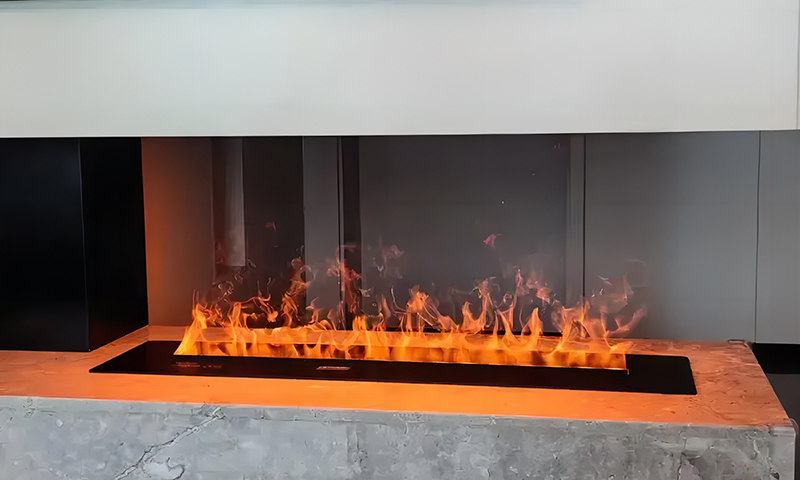
In today’s home decor, electric fireplaces are becoming increasingly popular as a convenient, energy-efficient, and multifunctional heating option. Compared to traditional fireplaces, LED fireplaces not only provide cozy warmth and captivating flame effects but also offer advantages such as easy installation, low maintenance costs, and improved safety. However, at the same time, modern flames electric fireplaces also have some limitations, such as limited heating capacity and visual realism. Understanding the pros and cons of electric fireplaces is crucial for making informed decisions when selecting a heating option for your home. This article will delve into the advantages and disadvantages of realistic electric fireplaces, helping readers gain a better understanding of the characteristics and suitability of this modern heating choice.
Advantages:
1. Easy Installation:
Electric fireplaces are incredibly easy to install. Unlike traditional fireplaces that require complex setups with chimneys or ventilation systems, modern flames fireplaces simply need to be plugged into a power outlet. This makes them an attractive option for homeowners who want the ambiance of a fireplace without the hassle of extensive installation.
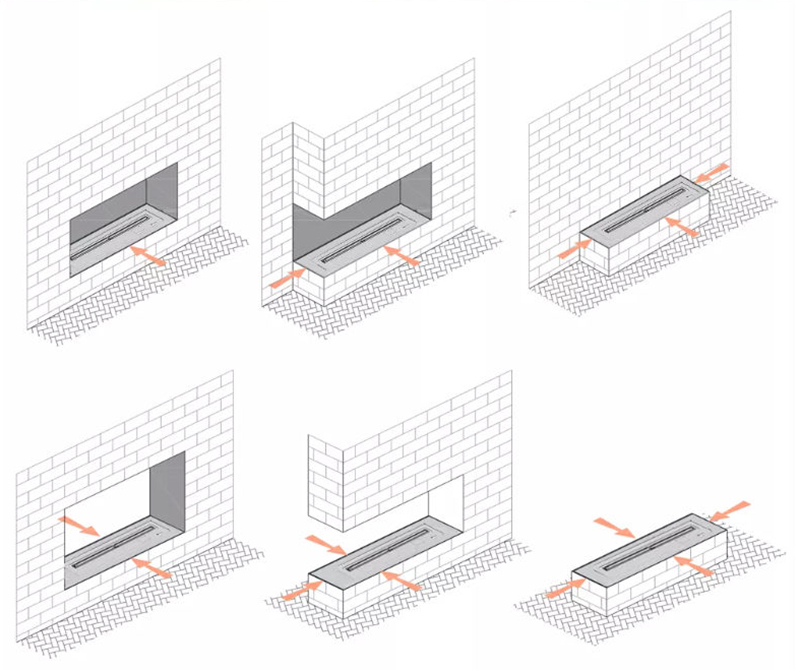
2. Low Maintenance Costs:
Maintaining an electric stove fire is much simpler and cheaper compared to traditional fireplaces. There’s no need for regular cleaning to remove ash or soot, nor do you have to worry about scheduling chimney inspections. Free standing electric fires typically only require occasional dusting or wiping to keep them looking their best.
3. Safety:
Safety is a significant advantage of electric fireplaces. Since they don’t produce actual flames, there’s no risk of sparks or embers flying out and potentially causing a fire hazard. Additionally, most artificial fireplaces come with built-in safety features like automatic shut-off mechanisms and cool-to-the-touch surfaces, making them safer to use, especially around children and pets.
4. Adjustable Temperature and Flame Effects:
One of the key benefits of electric fireplaces is their versatility in creating the desired ambiance. Users can easily adjust the temperature settings to suit their comfort level, and many models offer customizable flame effects with various intensity levels and colors. This flexibility allows homeowners to enjoy the cozy glow of a fire year-round, regardless of the weather outside.
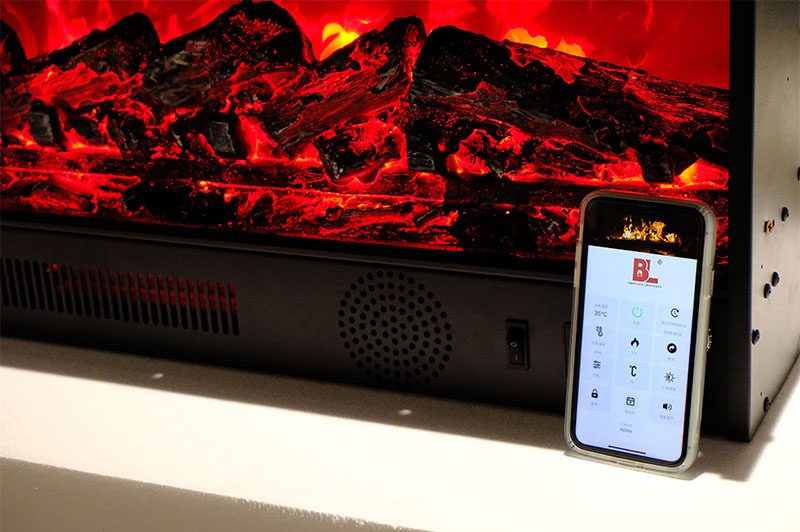
Safe wall-mounted electric fire
5. Energy Efficiency:
Electric fireplaces are generally more energy-efficient than traditional wood-burning or gas fireplaces. They convert almost all of the electricity they consume into heat, whereas traditional fireplaces can lose a significant amount of heat through the chimney. Additionally, indoor electric fireplaces often feature energy-saving modes, such as programmable timers and thermostats, allowing users to optimize their energy usage and reduce utility bills.

Customizable flame effects of an electric fireplace
6. Versatility:
Beyond their primary function of providing warmth and ambiance, electric fireplaces offer additional versatility. Many models come equipped with built-in features like LED lighting, decorative mantels, and even media consoles with integrated speakers. This means that electric fireplaces can serve as focal points in living spaces, combining practicality with aesthetics and entertainment.
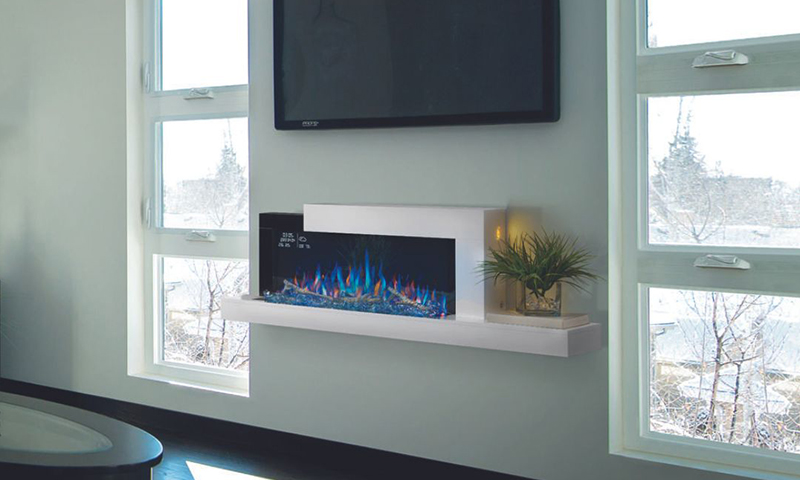
Energy-efficient built-in electric fireplace
Disadvantages:
1. Limited Heating Capacity:
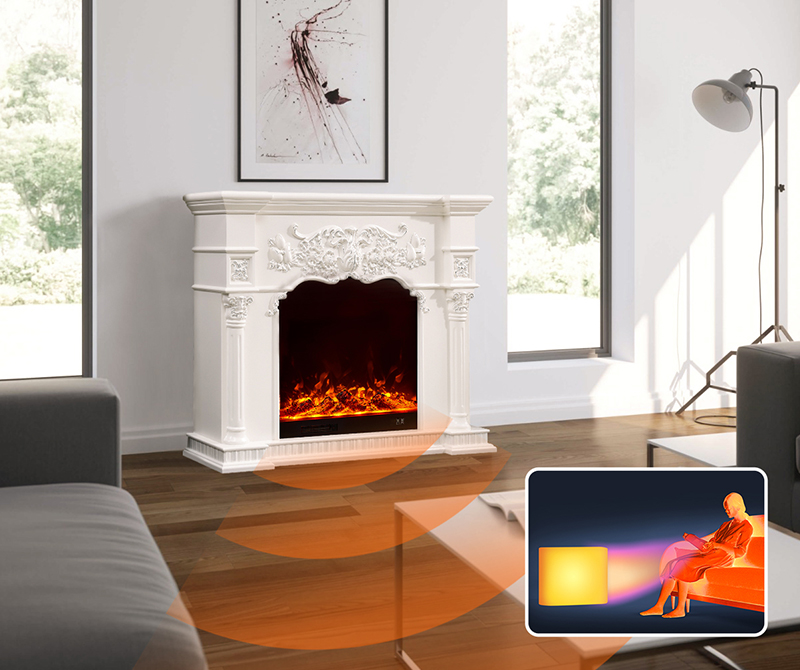
While electric fire inserts can effectively heat small to medium-sized rooms, they may struggle to provide sufficient warmth in larger spaces or open floor plans. Their heating capacity is generally lower compared to traditional fireplaces, which rely on burning fuel to generate heat. As such, electric fireplace heaters may not be the best option for homeowners looking to heat their entire home solely with a fireplace.
2. Visual Realism:
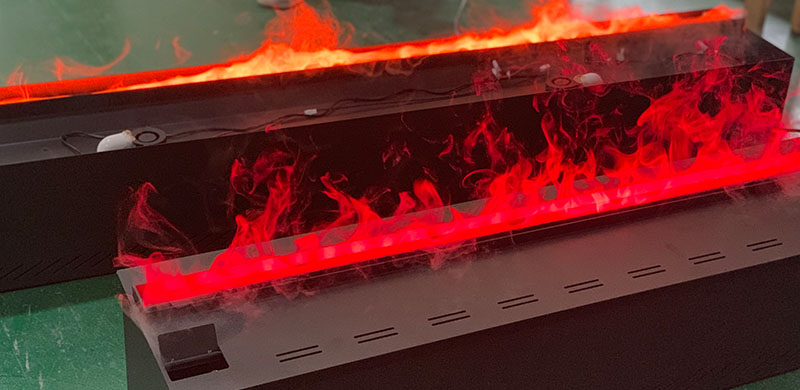
Despite advances in technology, some people still find the flame effects of infrared fireplaces less realistic compared to the natural flicker of a wood-burning or gas fireplace. While manufacturers have made significant improvements in replicating the look of real flames using LED lights and holographic projections, there’s still a noticeable difference in authenticity for some discerning users.
Limited heating capacity in a large space
3. Dependency on Electricity:
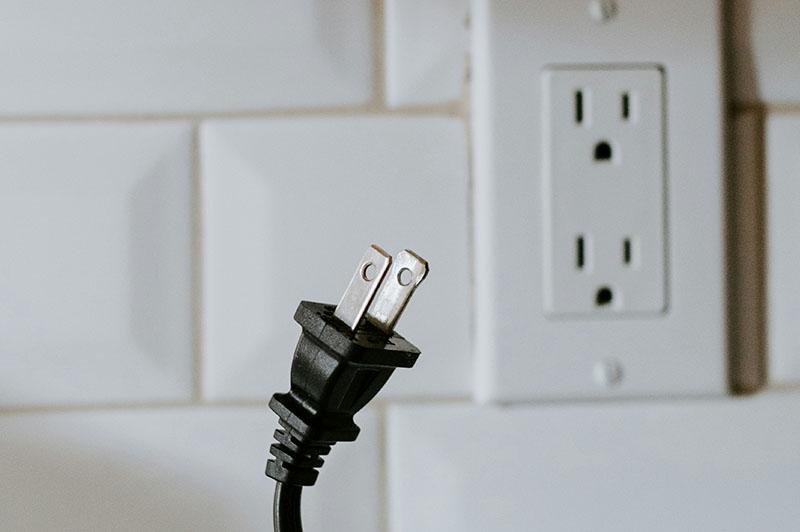
Electric fireplaces rely entirely on electricity to function, which means they won’t work during power outages unless they’re equipped with a backup power source like a generator or battery pack. This dependency on electricity can be a significant drawback in areas prone to frequent power outages or during emergencies when electricity may be unavailable for extended periods.
Electric fireplace flame visual realism
4. Initial Cost:
While fake fireplaces are generally more affordable to purchase and install compared to traditional fireplaces, high-quality models with advanced features can still be relatively expensive upfront. Homeowners may need to invest a considerable amount of money to purchase a premium electric fireplace that meets their aesthetic and functional requirements. However, it’s essential to consider the long-term savings in maintenance and energy costs when evaluating the overall value proposition.
5. Environmental Impact:
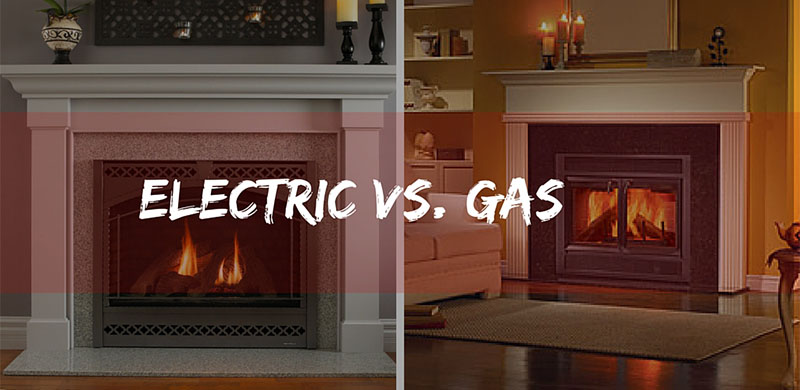
While electric fireplaces themselves produce zero emissions during operation, their environmental impact depends on the source of electricity used to power them. If the electricity is generated from fossil fuels like coal or natural gas, then using an electric fireplace may indirectly contribute to air pollution and greenhouse gas emissions. However, electric fireplaces can be considered more environmentally friendly if they’re powered by renewable energy sources like wind or solar power.
Overall, rustic electric fireplaces offer a convenient and versatile alternative to traditional fireplaces, with benefits such as easy installation, low maintenance, and enhanced safety. However, it’s essential for homeowners to weigh these advantages against potential drawbacks like limited heating capacity and dependency on electricity to determine if an electric fireplace is the right choice for their home.
Summary of Pros and Cons
| Pros (Advantages) | Cons (Disadvantages) |
|---|---|
| Easy Installation (No chimney/ventilation needed) | Limited Heating Capacity (Struggles in large/open spaces) |
| Low Maintenance Costs (No ash/soot cleaning) | Visual Realism Issues (Flame effects can lack authenticity) |
| Enhanced Safety (No real flames, auto shut-off) | Dependency on Electricity (Non-functional during power outages) |
| Adjustable Temperature and Flame Effects | Initial Cost (High-quality models can be expensive) |
| Energy Efficiency (Converts electricity to heat effectively) | Environmental Impact (Indirectly related to electricity source) |
| Versatility (Integrated features like media consoles) | — |