Do Electric Fireplaces Need Ventilation?
A Technical and Commercial Reference for B2B Buyers
For companies already operating in the fireplace industry, electric fireplaces are often evaluated as part of product line expansion or project-specific solutions.
This applies to traditional wood and gas fireplace retailers, hospitality project buyers, and established brands developing electric fireplace collections under their own labels.
In most cases, the evaluation starts with a basic technical question:
Do electric fireplaces require ventilation?
The answer is no.
Because electric fireplaces do not rely on combustion, they operate without chimneys, flues, or external ventilation systems. This characteristic has direct implications for installation planning, applicable building types, and long-term operational considerations in both retail and project-based environments.
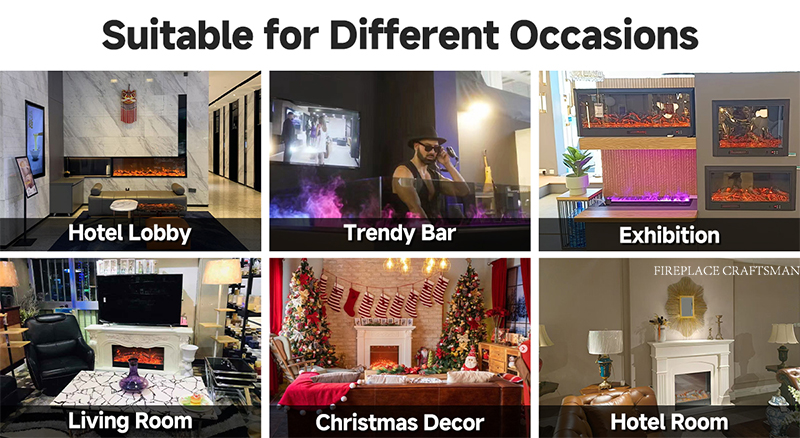
Why Electric Fireplaces Do Not Require Ventilation
Unlike wood-burning or gas fireplaces, electric fireplaces generate heat through electric heating components and simulate flame effects using LED or projection technology.
As a result:
-
No fuel is burned
-
No smoke or exhaust gases are produced
-
No carbon monoxide or particulate emissions are generated
Without combustion byproducts, there is no technical requirement for ventilation, chimney systems, or flue connections. From a regulatory and construction standpoint, electric fireplaces are therefore treated as electrical appliances rather than fuel-based heating systems.
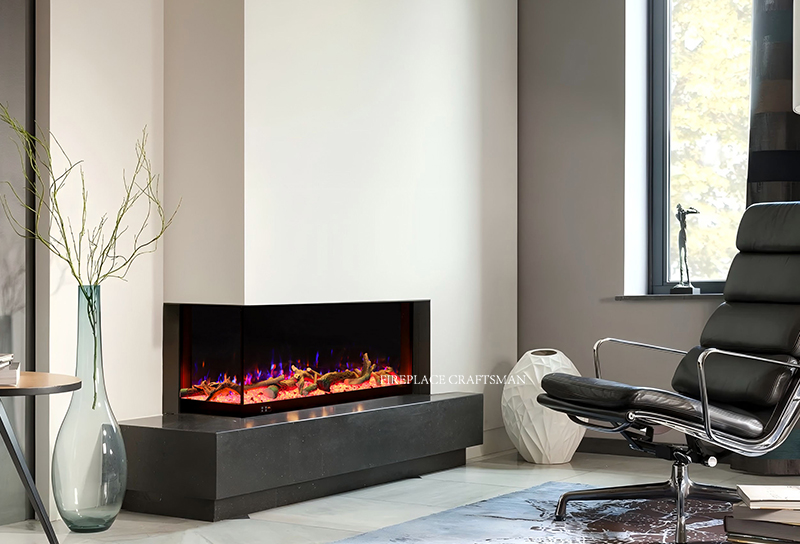
Implications for Installation and Project Planning
From a B2B perspective, ventilation requirements are not only a technical detail. They influence:
-
Installation complexity
-
Construction timelines
-
Approval and inspection processes
-
Applicable installation locations
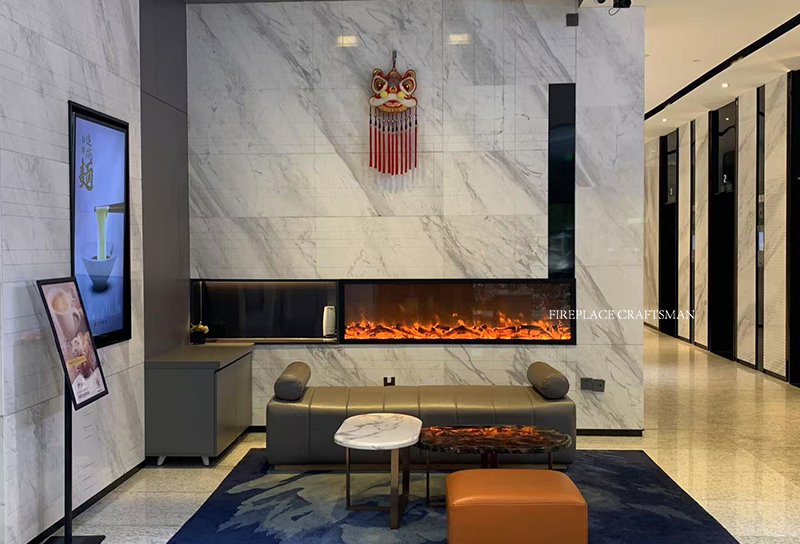
Because electric fireplaces do not require ventilation, they can be installed in a wider range of environments, including buildings where structural modifications for chimneys or exhaust systems are impractical or prohibited.
This flexibility is particularly relevant for:
-
Apartment buildings and high-rise developments
-
Hotel guest rooms, lobbies, and public areas
-
Renovation projects with limited structural access
-
Commercial interiors where design constraints are strict
Considerations for Fireplace Retailers and Distributors
For retailers traditionally focused on wood or gas fireplaces, electric fireplaces are often introduced as a complementary category.
The absence of ventilation requirements reduces several common barriers:
-
No need to assess chimney conditions during the sales process
-
Fewer installation variables to manage
-
Lower dependence on specialized installation labor
From a distribution standpoint, this simplifies dealer training, shortens sales cycles, and reduces the likelihood of post-installation issues related to venting or exhaust compliance.
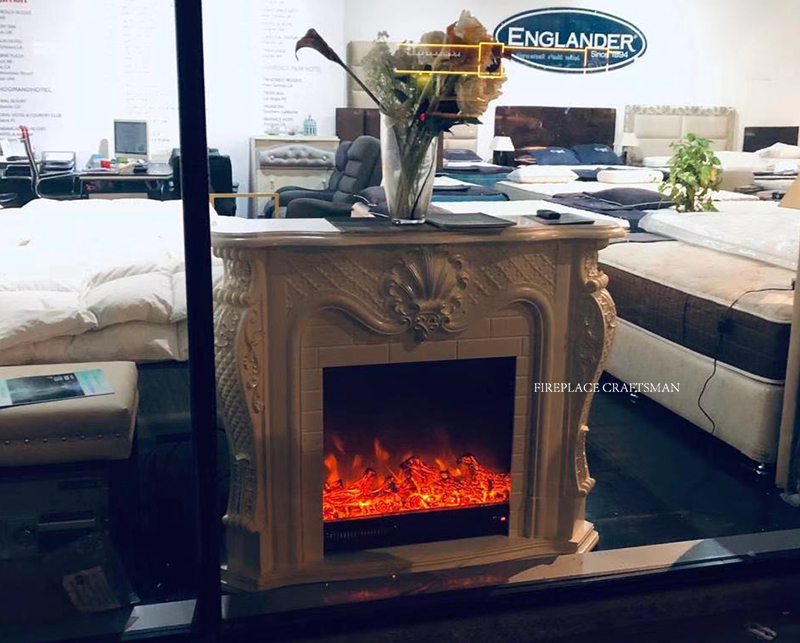
Application in Hotel and Commercial Projects
In hospitality and commercial projects, safety, predictability, and ease of integration are key decision factors.
Electric fireplaces are frequently specified in these environments because:
-
Installation only requires electrical access
-
No open flame is present
-
Ongoing maintenance requirements are limited
-
Fire safety and air quality risks associated with combustion are eliminated
For project buyers, the lack of ventilation requirements contributes to more predictable project costs and fewer coordination challenges during construction.
Relevance for OEM and Private-Label Electric Fireplace Brands
For companies developing or expanding electric fireplace product lines under their own brands, vent-free operation provides additional design and engineering flexibility.
Electric fireplaces can be:
-
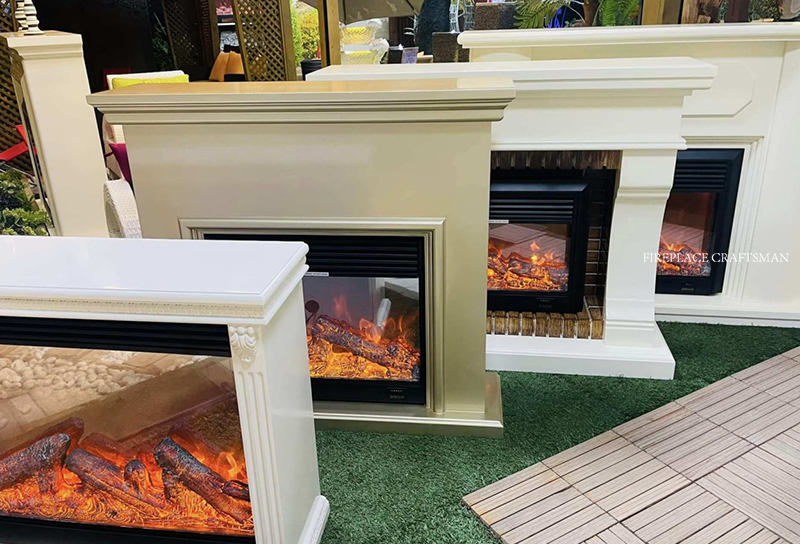
Integrated into furniture, wall systems, or architectural features
-
Produced in customized dimensions without venting constraints
-
Adapted to different regional markets without redesigning ventilation systems
This makes electric fireplaces well suited for OEM and ODM development, particularly for brands targeting multiple markets or project-based sales channels.
Maintenance and After-Sales Considerations
Because electric fireplaces do not involve combustion or ventilation systems, routine maintenance requirements are limited.
There is no need for:
-
Chimney inspections
-
Flue cleaning
-
Vent system servicing
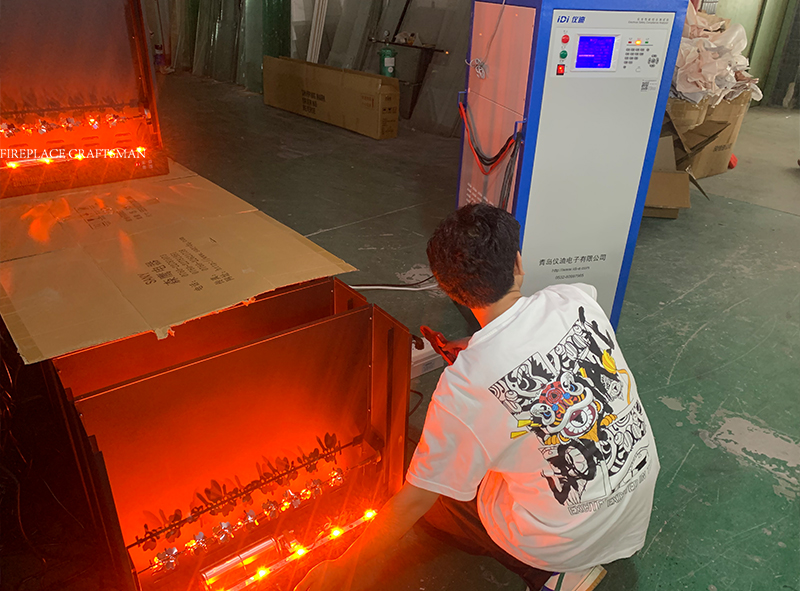
From a B2B perspective, this translates into lower long-term service costs, fewer after-sales issues, and more consistent product performance across different installation environments.
Summary: Why Vent-Free Design Matters in B2B Environments
Consideration |
Impact of Vent-Free Electric Fireplaces |
| Installation | Faster approval and execution |
| Project Planning | Greater design and OEM flexibility |
| Maintenance | Lower long-term service requirements |
| Market Coverage | Suitable for more building types |
Electric fireplaces do not require ventilation because they operate without combustion. This single technical characteristic influences many downstream factors, including installation flexibility, project feasibility, safety considerations, and long-term maintenance.
For retailers, distributors, hotel project buyers, and OEM brands, vent-free operation is not simply a convenience—it is a practical advantage that supports scalable, predictable, and customizable applications across a wide range of markets.
About Fireplace Craftsman
Fireplace Craftsman is a China-based electric fireplace manufacturer focused on B2B cooperation. We work with distributors, project buyers, and private-label brands to provide electric fireplace solutions tailored to commercial and OEM requirements.
Our scope includes:
-
Bulk production
-
OEM & ODM customization
-
Hotel and commercial project supply
-
Long-term manufacturing partnerships
For inquiries related to bulk orders, project specifications, or customized electric fireplace development, please contact our team.
Post time: Apr-27-2024