Do Electric Fireplaces Get Hot to the Touch?
Surface Temperature, Safety Design, and Installation Guidance
Introduction
Electric fireplaces are widely used across both residential and commercial environments, including private homes, apartments, hotels, retail spaces, and mixed-use developments. Thanks to their plug-and-play design, most modern electric fireplaces can operate using a standard electrical outlet, without the need for gas connections, chimneys, or complex ventilation systems.
One of the most common questions raised by users, designers, and installers is:
Do electric fireplaces get hot to the touch during operation?
This article provides a manufacturer-level explanation of electric fireplace surface temperatures, heating mechanisms, safety technologies, installation best practices, customization options, troubleshooting considerations, and future development trends. It is intended to offer clear technical understanding rather than simple consumer-level comparisons.
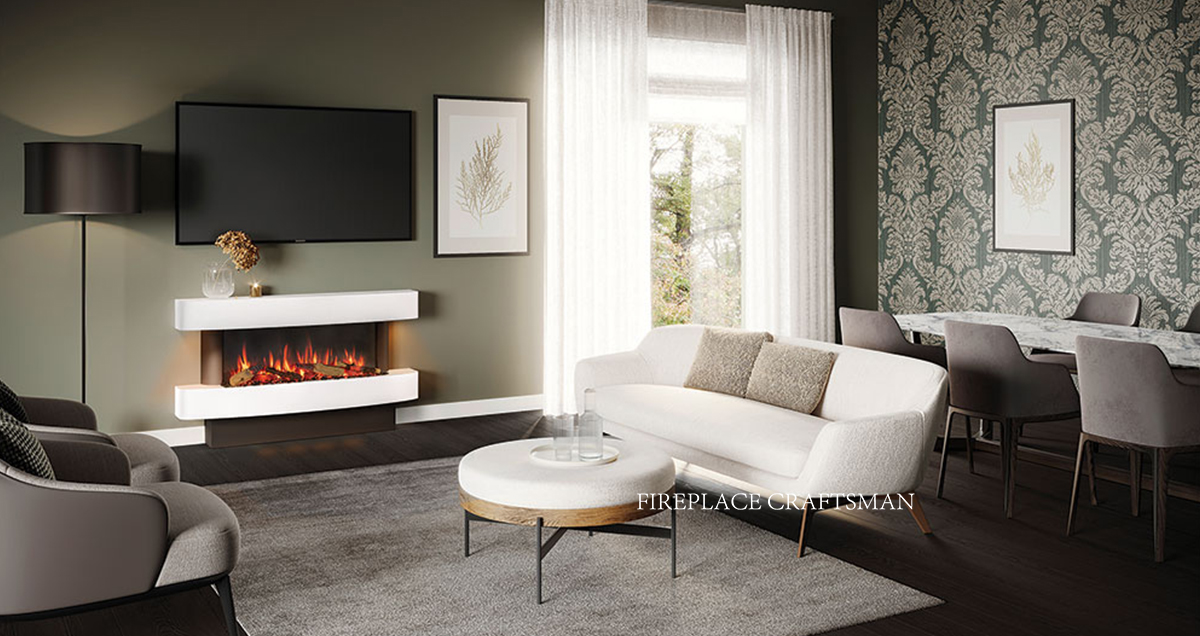
Understanding Custom Electric Fireplaces
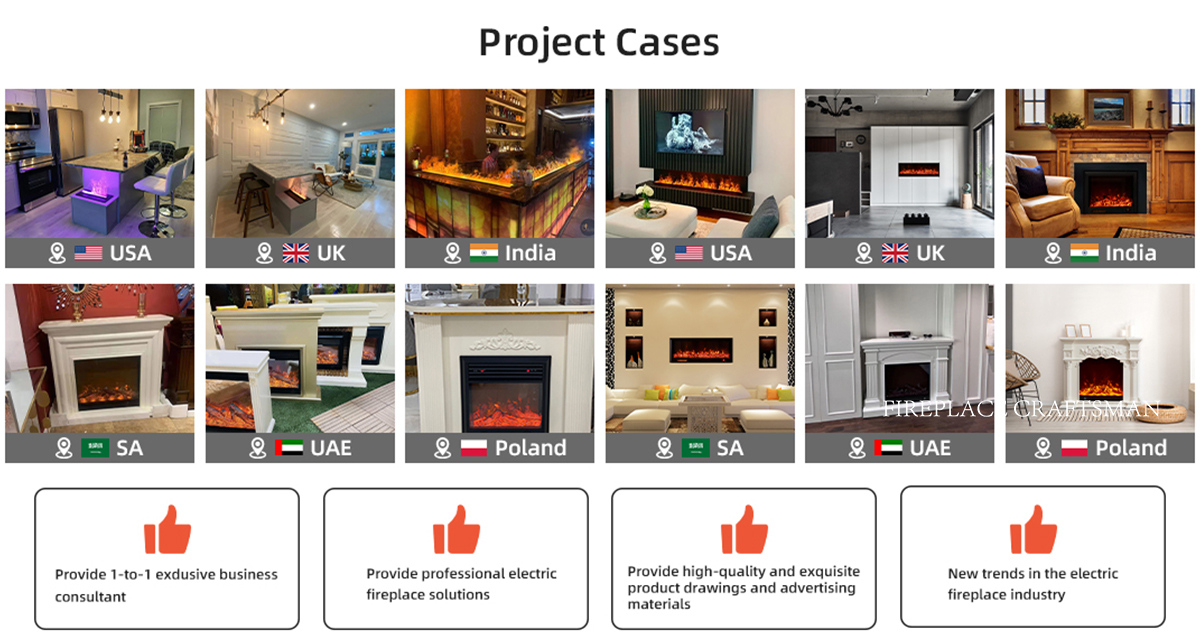
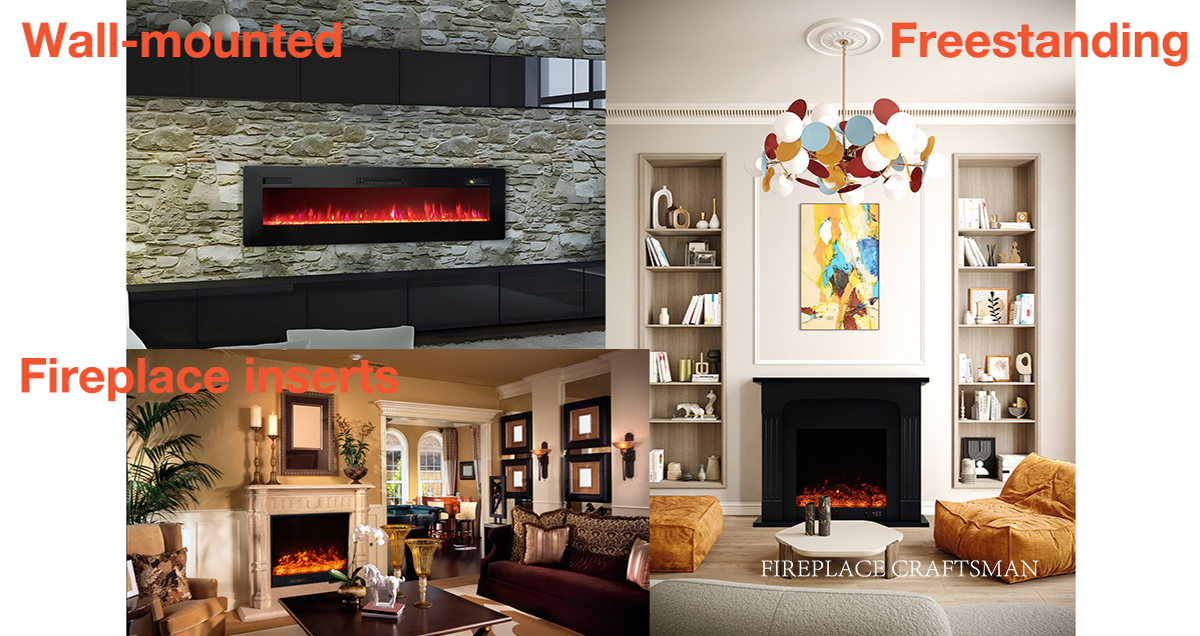
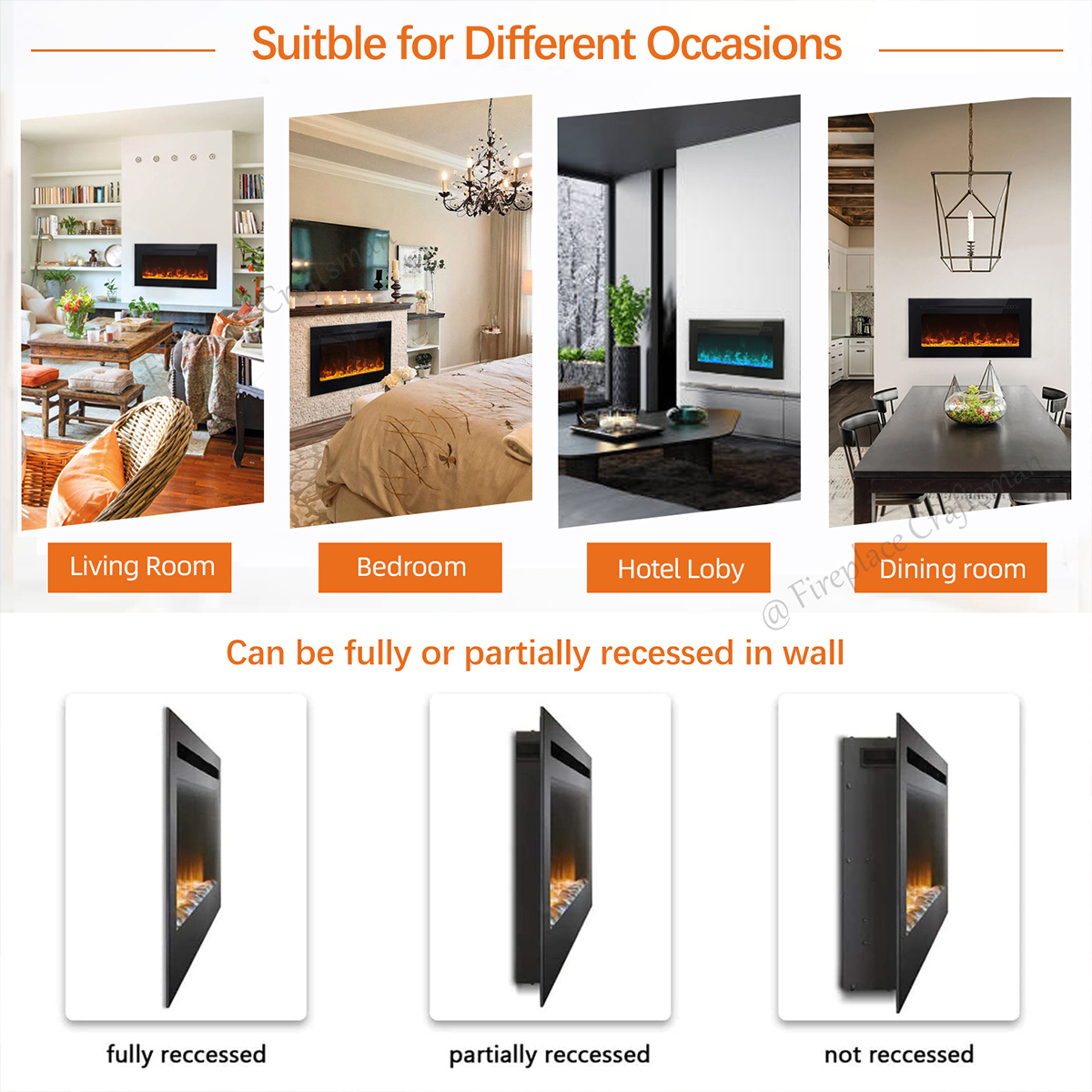
Custom electric fireplaces are used in ordinary residential settings as well as larger interior projects, allowing greater flexibility in design while maintaining the same core operating principles.
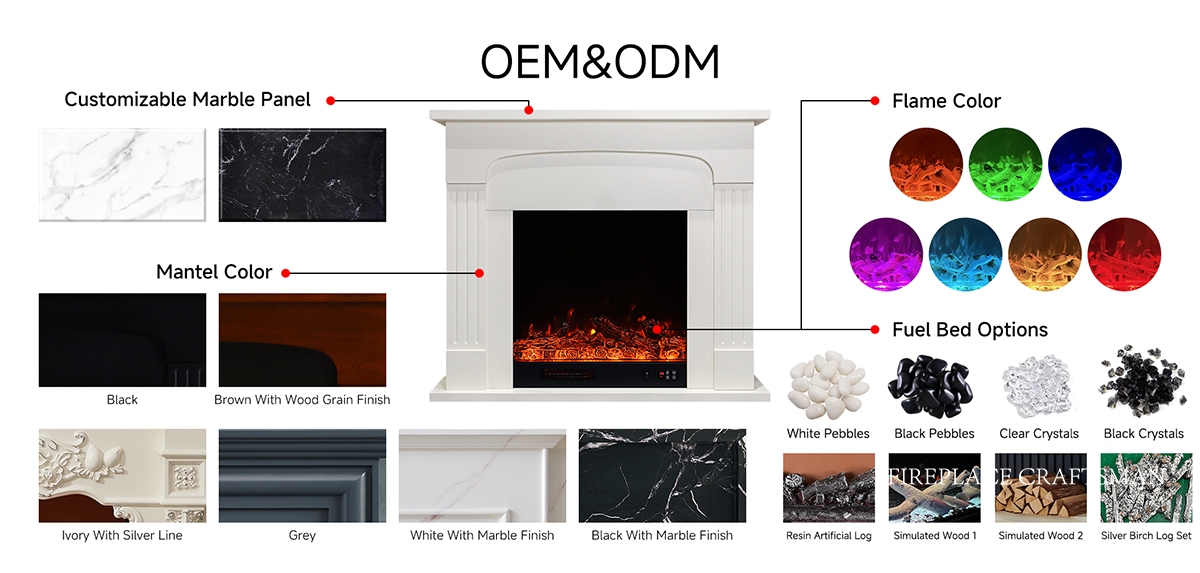
From a manufacturer’s perspective, customization typically includes:
- Custom dimensions for feature walls, built-in installations, or residential interiors
- Flame bed options such as logs, crystals, stones, or hybrid media
- Adjustable heat output or flame-only decorative operation
- Integration with architectural surrounds, cabinetry, or media walls
Whether used in a private home or a commercial space, customization does not compromise surface safety, provided the electric fireplace is designed and tested in accordance with established electrical appliance safety standards.
How Electric Fireplaces Work
Electric fireplaces operate without combustion. Instead, their function is based on three independent systems:
1. Flame visualization system
Usually LED- or projection-based, creating a realistic flame effect without producing heat.
2. Electric heating system
Internal heating elements generate warmth when heating mode is enabled.
3. Air circulation and safety control system
Fans, sensors, and control boards regulate airflow, temperature, and overall operation.
Because these systems are physically separated, the appearance of flames does not indicate surface heat intensity.
Electric Fireplace Heating Mechanism Explained
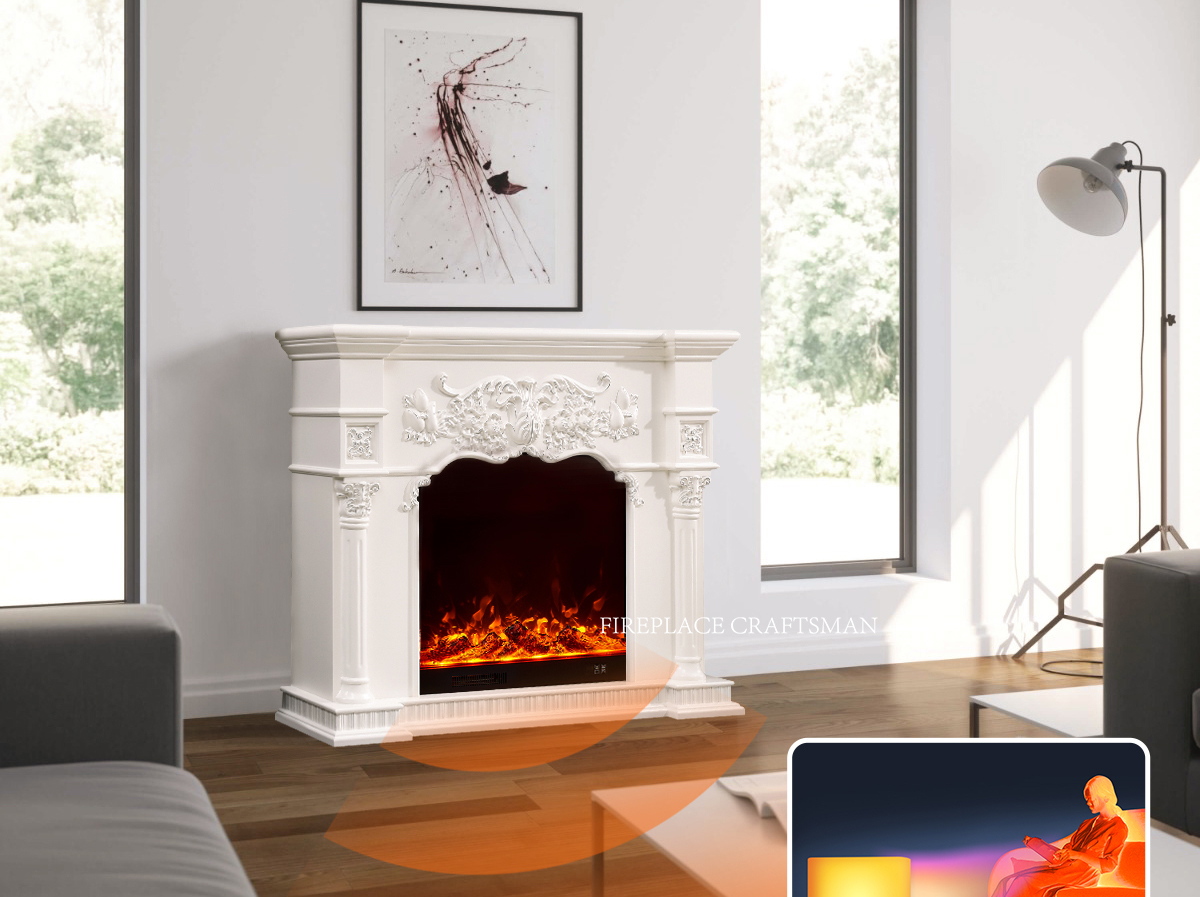
When heating mode is activated, electric fireplaces generate heat through internal electric heating elements. Warm air is then distributed into the room using a controlled airflow system.
Key design characteristics include:
- Heat directed outward through designated air outlets
- Internal insulation separating heat-generating components from exterior surfaces
- Thermostatic control to regulate output
This engineering approach allows electric fireplaces to provide supplemental heating while keeping accessible exterior surfaces within safe temperature ranges.
Surface Temperature and Safety: Cool-Touch Design
Cool-Touch and Warm-Touch Surface Technology
Modern electric fireplaces incorporate what is often referred to as cool-touch or warm-touch surface design. This is achieved through:
- Shielded heating elements
- Thermal insulation between internal components and exterior panels
- Engineered airflow paths that direct heat away from touch surfaces
- Use of heat-resistant glass and trim materials
As a result, surfaces that users are likely to touch are designed to remain safe under normal operating conditions.
Typical Surface Temperatures in Modern Electric Fireplaces
Actual surface temperatures vary depending on model, installation method, airflow clearance, and ambient conditions. Under typical operation, manufacturers generally observe:
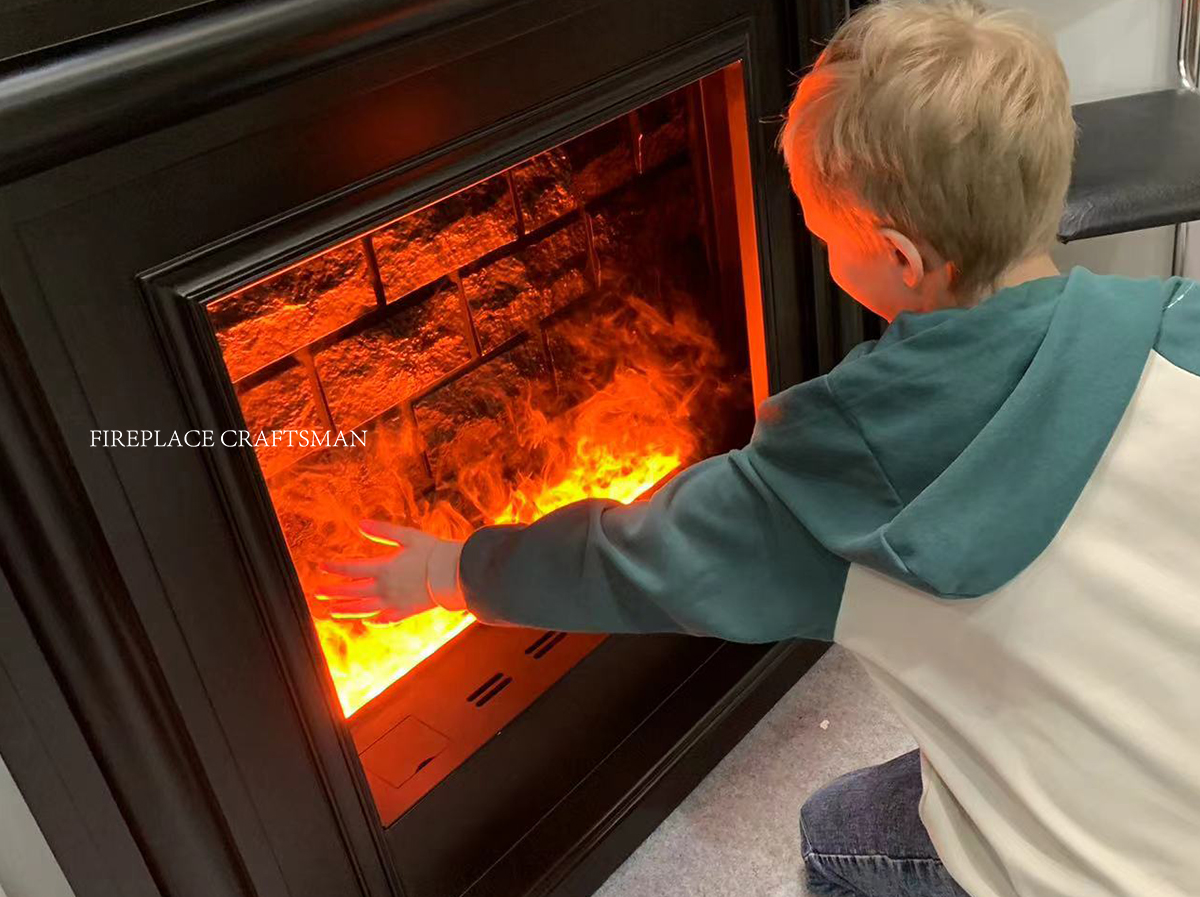
- Front glass: Warm to the touch, not intended to cause burns
- Metal trim or frames: Slightly warm after extended heating
- Surround panels or cabinetry: Minimal heat transfer when proper clearances are maintained
- Air outlet areas: Warm airflow present; direct contact should be avoided
Following manufacturer installation guidelines is essential to maintaining these temperature ranges.
Safety Features in Electric (Artificial) Fireplaces
Electric fireplaces are engineered as decorative heating appliances, not open heat sources. Common safety features include:
- Overheat protection with automatic shut-off
- Temperature sensors monitoring internal components
- Independent flame operation without heat output
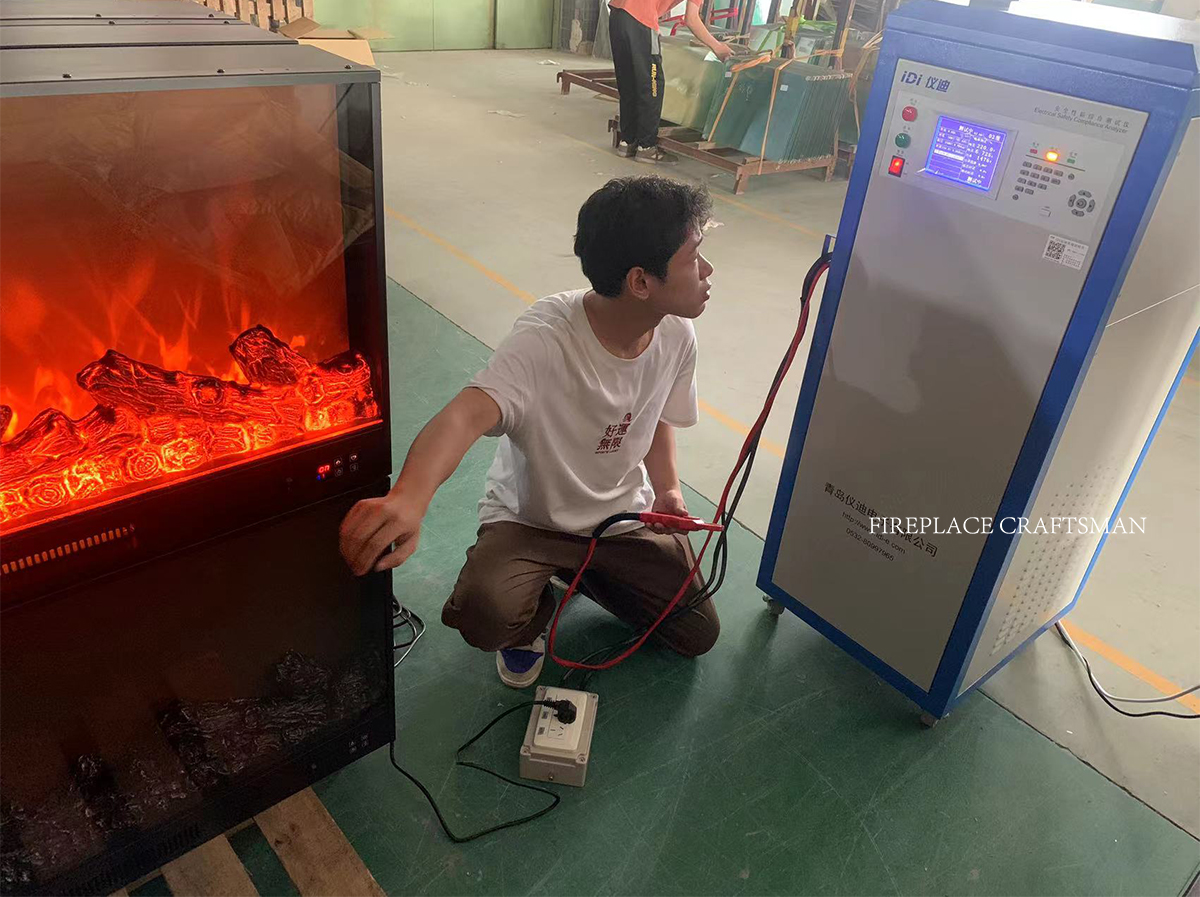
- Electrical and appliance safety compliance testing
These features make electric fireplaces suitable for use in private homes, shared residential spaces, and public-access environments.
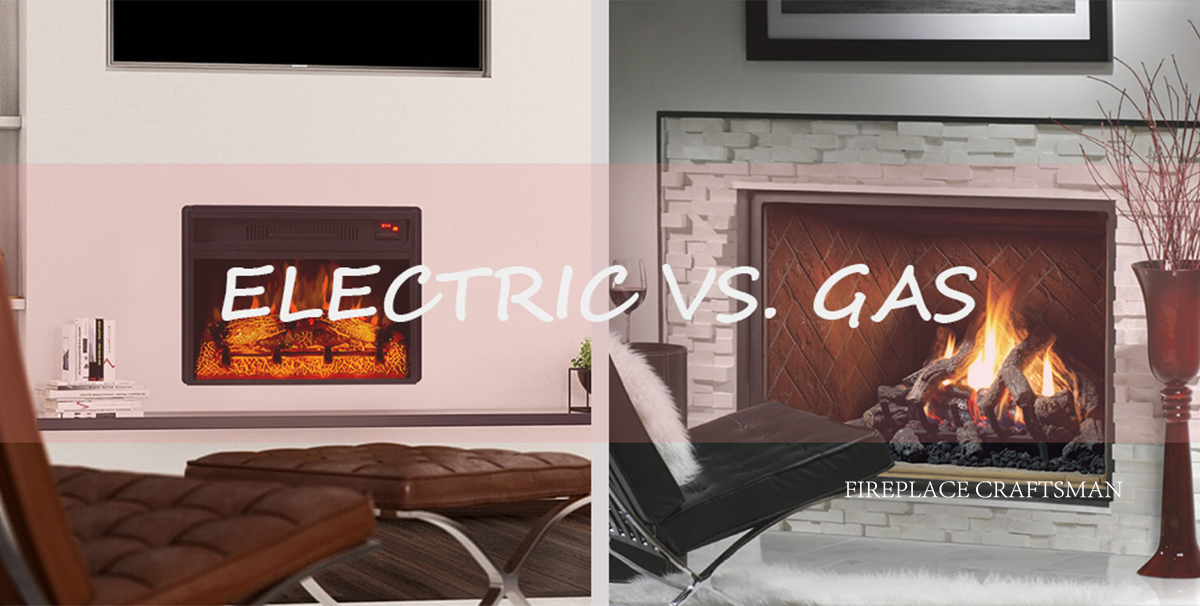
Electric Fireplaces vs Traditional Fireplaces
|
Feature |
Electric Fireplace |
Traditional Fireplace |
|
Open flame |
No |
Yes |
|
Combustion gases |
None |
Present |
|
Surface temperature control |
Engineered and regulated |
Variable |
|
Venting required |
No |
Yes |
|
Installation complexity |
Low |
High |
|
Suitability for indoor use |
High |
Limited |
From both a safety and installation perspective, electric fireplaces offer a more controlled and predictable thermal profile.
Installation and Usage Best Practices
Indoor Electric Fireplace Installation
Modern electric fireplaces are designed for indoor use in ordinary residential environments as well as larger interior spaces. In most cases, installation requires:
- A suitable wall or enclosure structure
- Proper airflow clearance as specified by the manufacturer
- A standard electrical outlet
Manufacturers generally recommend avoiding obstruction of air outlets and ensuring surrounding materials are heat-resistant.
Best Practices for Using Electric Fireplace Heating
- Use heating mode only when needed
- Disable heat for decorative-only flame operation
- Keep ventilation paths unobstructed
- Follow recommended operating durations and settings
These practices help maintain stable surface temperatures and extend product lifespan.
Troubleshooting Surface Temperature Concerns
If an electric fireplace feels hotter than expected on exterior surfaces, common factors may include:
- Insufficient airflow clearance
- Improper enclosure or cabinetry design
- Extended operation at maximum heat output
In such cases, reviewing installation requirements or consulting manufacturer technical support is recommended.
Future Trends in Practical Electric Fireplace Development
The future of electric fireplaces continues to focus on:
- Improved flame realism without additional heat
- Higher energy efficiency
- Smarter temperature and safety control systems
- Modular and customizable designs for varied interiors
Across all developments, surface safety and controlled heat distribution remain core priorities.
Frequently Asked Questions (FAQ)
Do electric fireplaces get hot to the touch?
Under normal operation, accessible surfaces are designed to remain safe to touch, while heat is directed through designated air outlets.
Are electric fireplaces safe to use in ordinary homes?
Yes. Most modern electric fireplaces are designed for plug-and-play use with a standard electrical outlet and are suitable for ordinary residential environments.
Can electric fireplaces operate without producing heat?
Yes. Flame effects and heating functions are typically independent, allowing decorative flame operation without heat.
Are electric fireplaces suitable for public or shared spaces?
Yes. Their controlled heat output and built-in safety features make them suitable for a wide range of indoor environments.
Conclusion
So, do electric fireplaces get hot to the touch?
From a manufacturer and technical perspective, modern electric fireplaces are designed to provide visual ambiance and supplemental heating while maintaining safe surface temperatures on accessible areas.
When properly installed and used according to manufacturer guidelines, electric fireplaces offer a safe, flexible, and practical solution for both residential and larger interior applications.
Post time: Jul-31-2024