Carbon monoxide (CO) safety is a critical concern in residential, hospitality, and large-scale commercial building projects. As electric fireplaces are increasingly specified as alternatives to gas or wood-burning units, a common question arises:
Do electric fireplaces emit carbon monoxide?
No. Electric fireplaces do not emit carbon monoxide.
They operate using electricity only and do not involve combustion, fuel burning, or exhaust gases of any kind.
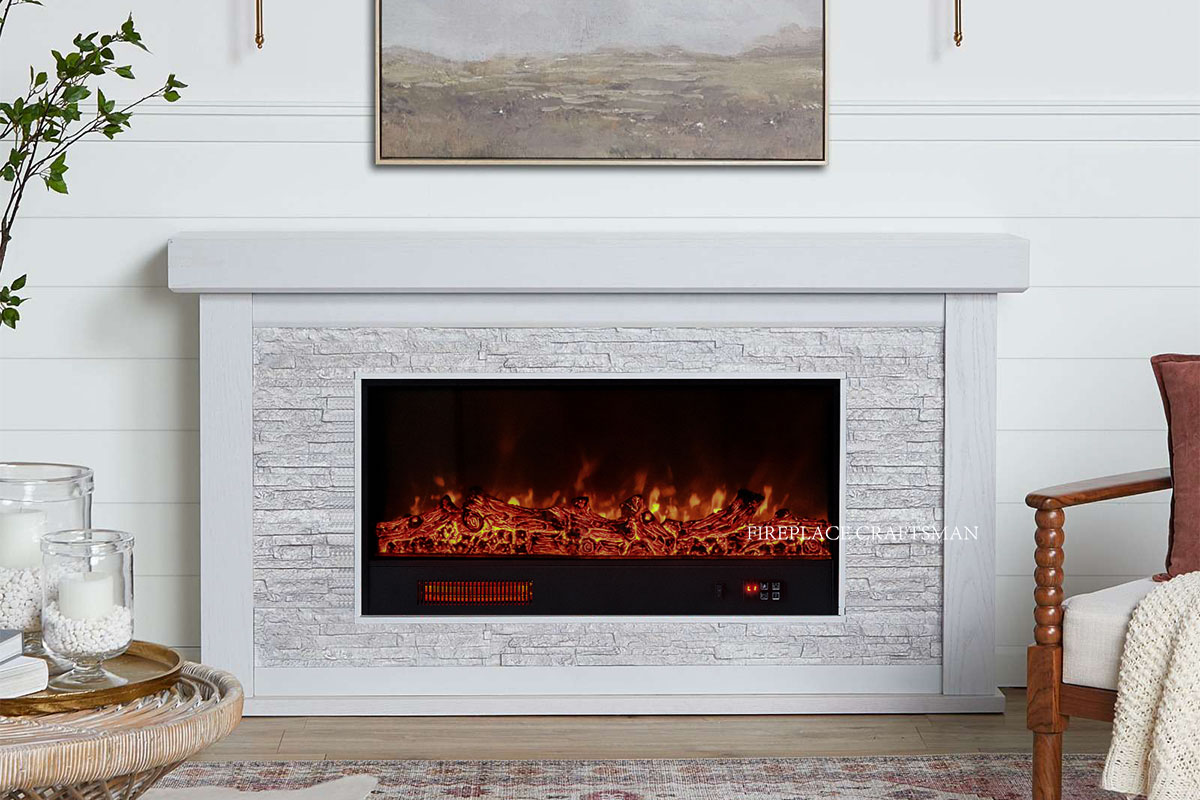
Why Electric Fireplaces Cannot Produce Carbon Monoxide
Carbon monoxide is a byproduct of incomplete combustion. It is generated when fuels such as natural gas, propane, wood, or ethanol are burned.
Electric fireplaces differ fundamentally from combustion-based appliances because they:
- 1. Use electrical resistance heating or infrared technology
- 2. Do not burn fuel
- 3. Do not require oxygen intake
- 4. Do not produce exhaust gases
As a result, carbon monoxide production is physically impossible in an electric fireplace system.
Electric Fireplaces vs. Combustion-Based Fireplaces
|
Fireplace Type |
Fuel Used |
Combustion |
Carbon Monoxide Risk |
|
Electric Fireplace |
Electricity |
No |
None |
|
Gas Fireplace |
Natural Gas / Propane |
Yes |
Possible |
|
Wood-Burning Fireplace |
Wood |
Yes |
High |
|
Ethanol Fireplace |
Liquid Ethanol |
Yes |
Moderate |
This distinction is why electric fireplaces are frequently specified in environments where air quality, safety compliance, and operational risk must be tightly controlled.

Carbon Monoxide Safety in Commercial and Hospitality Projects
In hotels, serviced apartments, healthcare facilities, and mixed-use developments, carbon monoxide risk management is a design-level consideration rather than a consumer concern.
From a project perspective:
- 1. Electric fireplaces do not introduce CO risk
- 2. They simplify fire safety and inspection approvals
- 3. They reduce long-term liability exposure
For this reason, many developers and operators choose electric fireplaces when CO compliance is a priority.
Do Electric Fireplaces Require Ventilation or Chimneys?
No. Electric fireplaces do not require ventilation, flues, or chimneys.
Because there is no combustion:
- 1. No exhaust air is produced
- 2. No make-up air is required
- 3. No chimney blocking or flue lining is necessary for safety
This makes electric fireplaces particularly suitable for retrofit projects, sealed buildings, and high-rise installations.

Why Carbon Monoxide Detectors May Still Be Required
While electric fireplaces themselves do not emit carbon monoxide, carbon monoxide detectors may still be required by building codes due to the presence of other equipment, such as:
- 1. Gas boilers or water heaters
- 2. Commercial kitchens
- 3. Emergency generators
- 4. Parking garages
In these cases, CO detector requirements are unrelated to the electric fireplace installation.
Why Project Buyers Prefer Electric Fireplaces
From a specification and procurement standpoint, electric fireplaces offer several advantages:
- 1. Zero carbon monoxide emissions
- 2. No combustion-related safety risks
- 3. Lower installation complexity
- 4. Reduced maintenance requirements
- 5. Predictable compliance across regions
These characteristics make electric fireplaces a preferred solution for large-scale projects where consistency and risk reduction are key decision factors.
Frequently Asked Questions (FAQ)
Do electric fireplaces emit carbon monoxide under any circumstances?
No. Electric fireplaces do not use combustion or fuel, so they cannot emit carbon monoxide under normal or fault conditions.
Can an electric fireplace cause carbon monoxide issues in commercial buildings?
No. Any carbon monoxide detected in a building originates from other fuel-burning appliances, not electric fireplaces.
Are electric fireplaces compliant with carbon monoxide safety regulations?
Yes. Electric fireplaces are inherently compliant with CO safety requirements because they produce no combustion gases. Overall compliance depends on the building’s full mechanical system, not the fireplace alone.
Do electric fireplaces require carbon monoxide detectors?
Electric fireplaces themselves do not require CO detectors. Detector requirements are determined by local codes and the presence of other combustion-based equipment.
Why are electric fireplaces commonly specified in hotels and large projects?
They offer emission-free operation, simplified approvals, and reduced operational risk—key factors for hospitality and commercial developments.
How can buyers confirm a fireplace is fully electric?
Buyers should review manufacturer documentation to confirm electric-only operation and applicable electrical safety certifications.
Manufacturer Note for B2B Buyers and Installers
When sourcing electric fireplaces for commercial or large-scale residential projects, always confirm:
- 1. The product is 100% electric, not hybrid
- 2. Manufacturer documentation clearly states no combustion
- 3. Electrical certifications meet local regulatory requirements
Clear communication at the specification stage helps avoid misunderstandings during inspection, handover, and long-term operation.
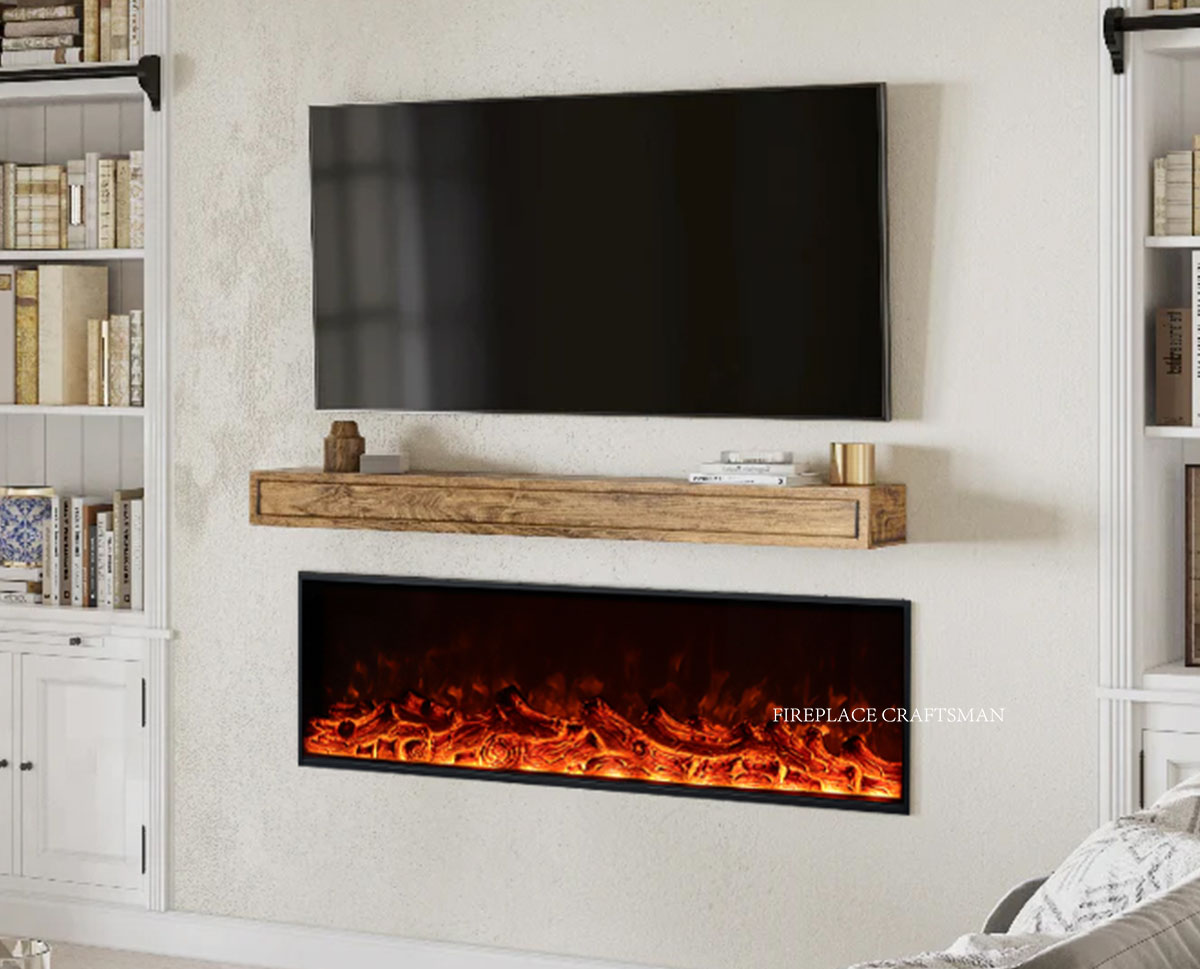
Final Note for Project Buyers and Specifiers
Electric fireplaces provide a safe, emission-free alternative to traditional fireplaces. For developers, architects, and operators, they eliminate carbon monoxide concerns while simplifying installation and compliance across a wide range of project types.
Post time: Aug-09-2024