Common Electric Fireplace Problems
A Manufacturer’s Technical Reference for Distributors & Project Buyers
Electric fireplaces are widely used in residential, hospitality, and commercial environments due to their ease of installation and low maintenance requirements.
However, during bulk distribution, project installation, or long-term operation, certain performance-related issues may still occur.
This article outlines common electric fireplace problems, explains their technical causes, and interprets them from a manufacturer’s perspective, helping distributors, wholesalers, and project buyers better evaluate product reliability, design logic, and long-term after-sales risk.
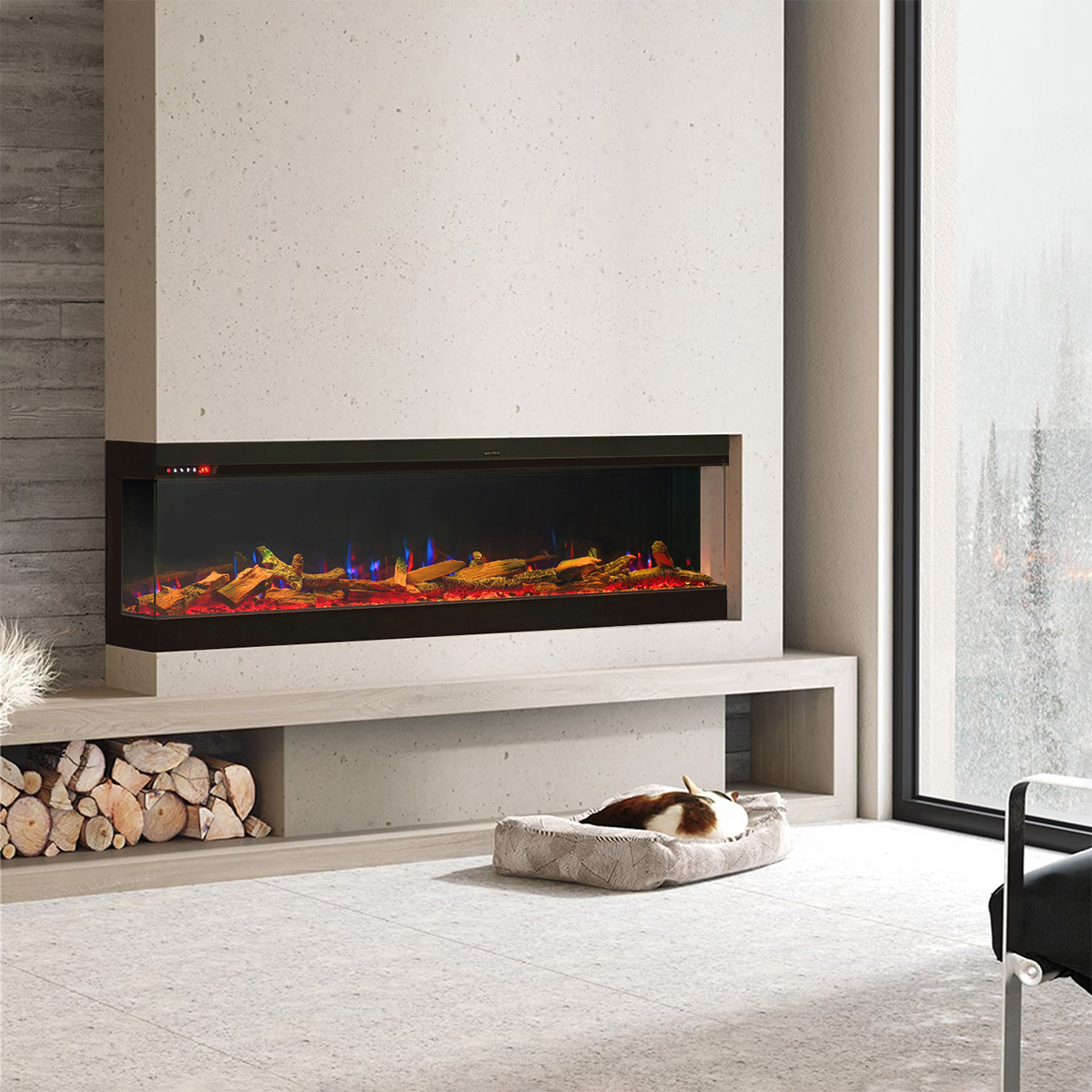
Core Heating & Performance Issues
(High-frequency issues — full technical structure)
1. Electric Fireplace Turns On but Does Not Produce Heat
What Happens
The fireplace powers on normally and the flame effect operates, but no heat is generated.
Common Technical Causes
- Heater element not activated
- Thermal cut-off protection triggered
- Control board signal interruption
- Voltage mismatch in certain markets
Manufacturer-Level Interpretation
From a manufacturing perspective, this issue is usually related to heater module integration and thermal management design, rather than a single defective component.
In bulk supply scenarios, inconsistent heating performance often leads to increased after-sales inquiries.
Reputable manufacturers typically address this by:
- Designing independent flame and heater control systems
- Integrating multi-layer overheat protection
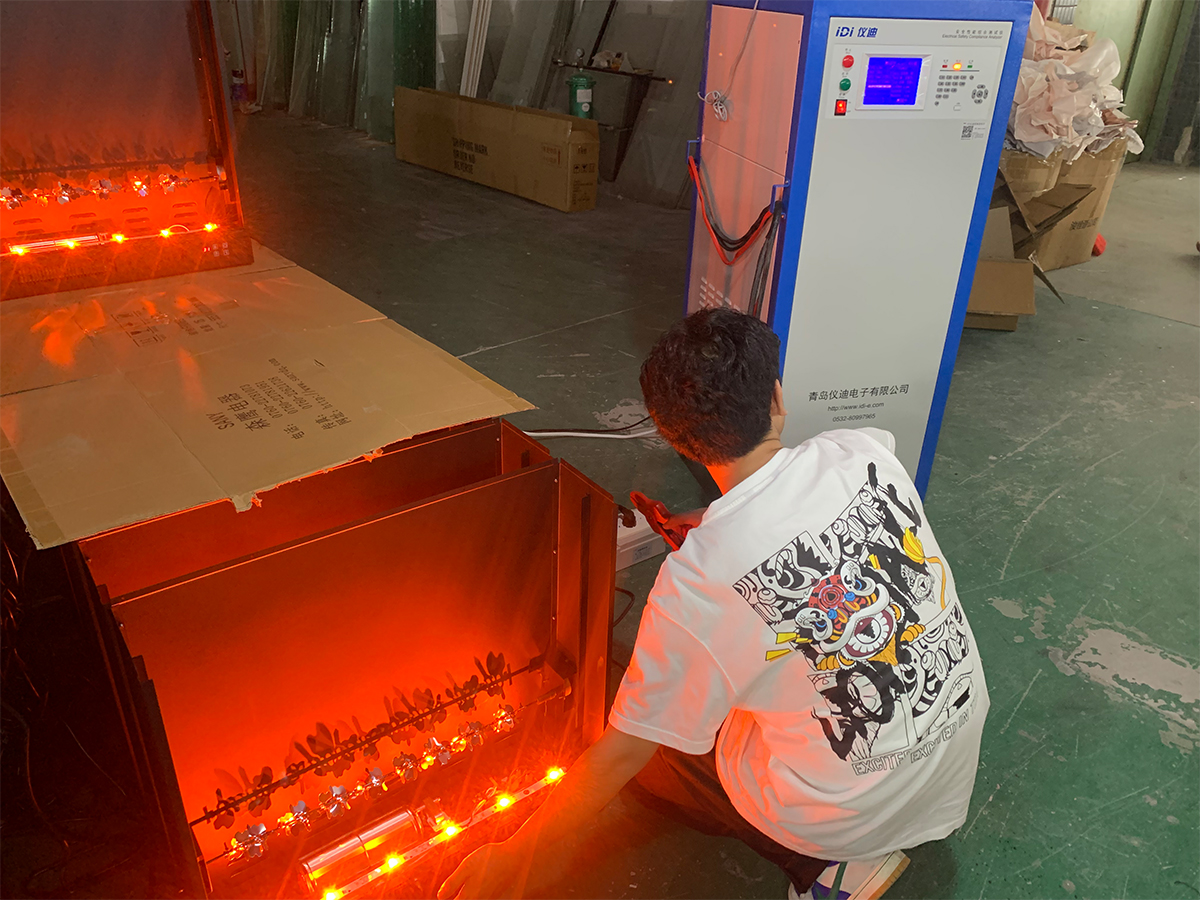
- Conducting full-function heater testing before shipment
2. Electric Fireplace Automatically Shuts Off
What Happens
The fireplace shuts down unexpectedly during operation.
Common Technical Causes
- Overheat protection activated
- Airflow restriction around the unit
- Temperature sensor responding to abnormal conditions
Manufacturer-Level Interpretation
Automatic shutdown is a safety-driven response.
In project and commercial installations, frequent shutdowns often indicate installation environment mismatch or insufficient airflow consideration.
Reputable manufacturers typically address this by:
- Optimizing internal ventilation paths
- Calibrating thermal sensors
- Providing clear installation clearance guidelines
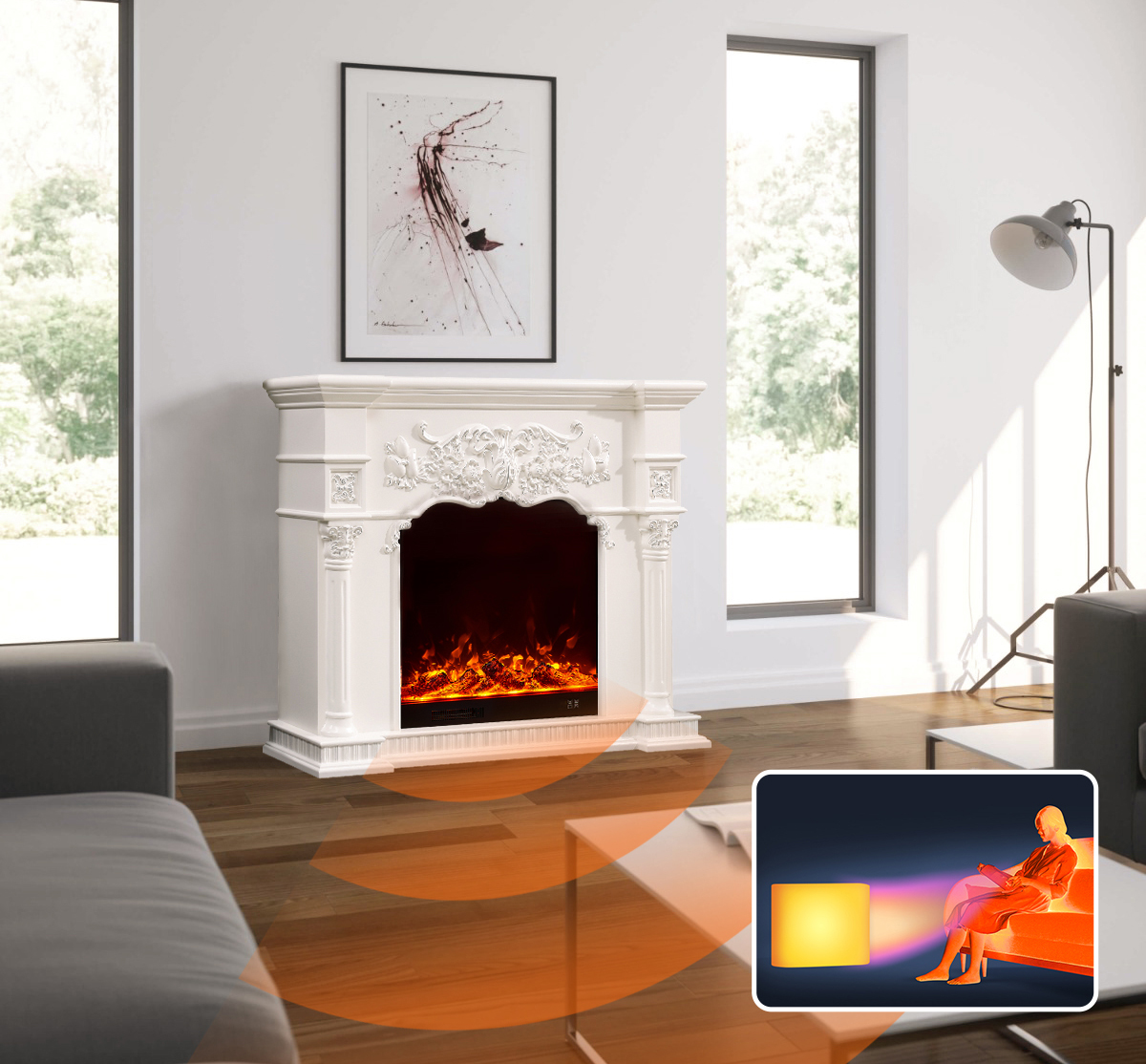
3. Cold Air Blows When the Fireplace Starts
What Happens
Cool air is briefly emitted when the fireplace is switched on.
Common Technical Causes
- Fan activates before the heating element reaches operating temperature
- Control system timing sequence
Manufacturer-Level Interpretation
This is primarily a user-experience issue, not a functional defect.
In hospitality and residential projects, startup airflow behavior directly affects perceived product quality.
Reputable manufacturers typically address this by:
- Optimizing fan–heater startup sequencing
- Refining firmware control logic
Visual Performance & User Experience Issues
(Medium-frequency issues)
4. Flame Effect Appears Weak or Not Bright Enough
What Happens
The flame display appears dim or lacks visual depth.
Manufacturer-Level Interpretation
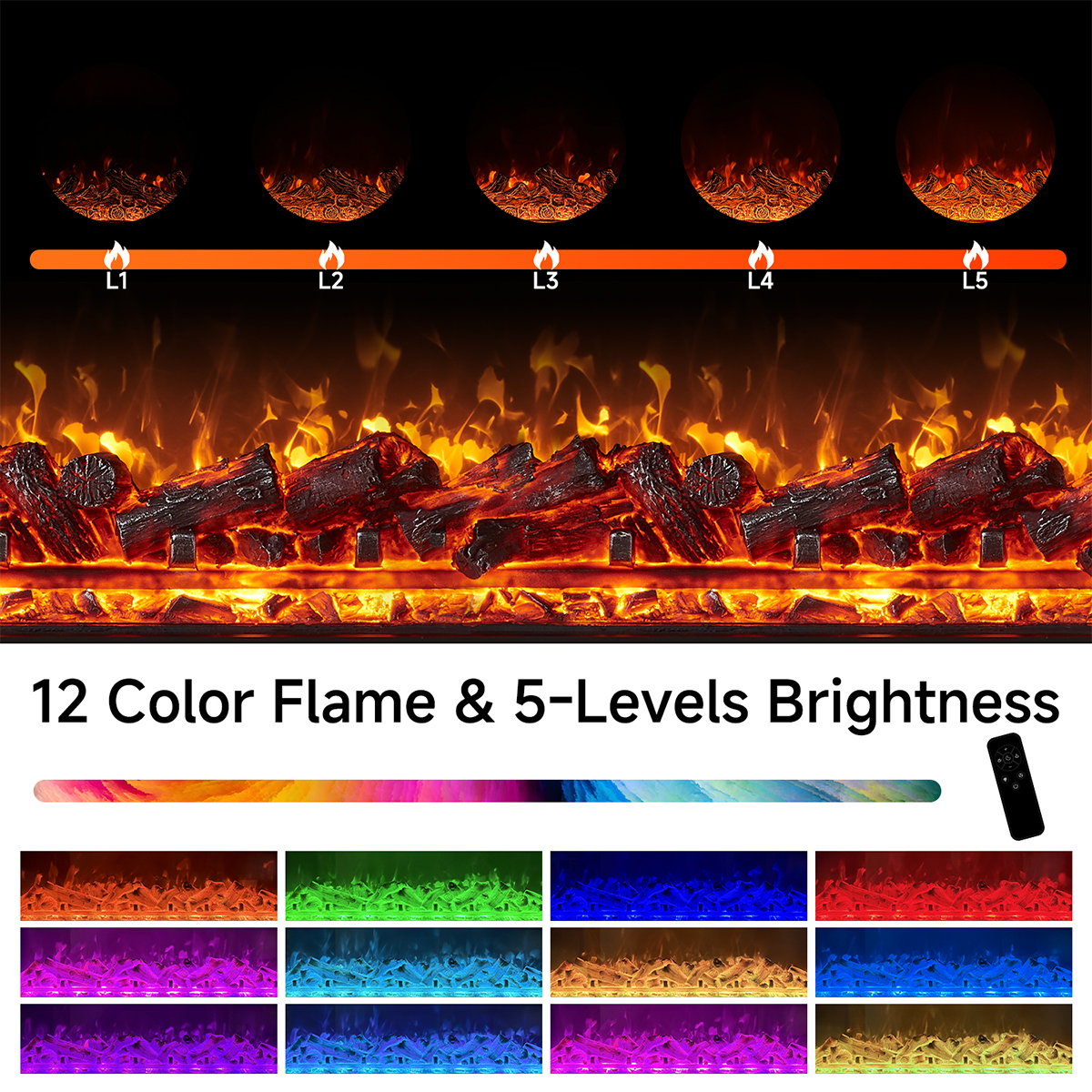
Flame brightness depends on LED quality, optical structure, and internal reflection design.
Manufacturers supplying project markets usually balance visual intensity with long-term stability.
5. Flame Effect Appears Uneven or Flickering
What Happens
The flame display appears unstable or uneven across the viewing area.
Manufacturer-Level Interpretation
This issue is often related to internal alignment or light distribution design rather than electronic failure.
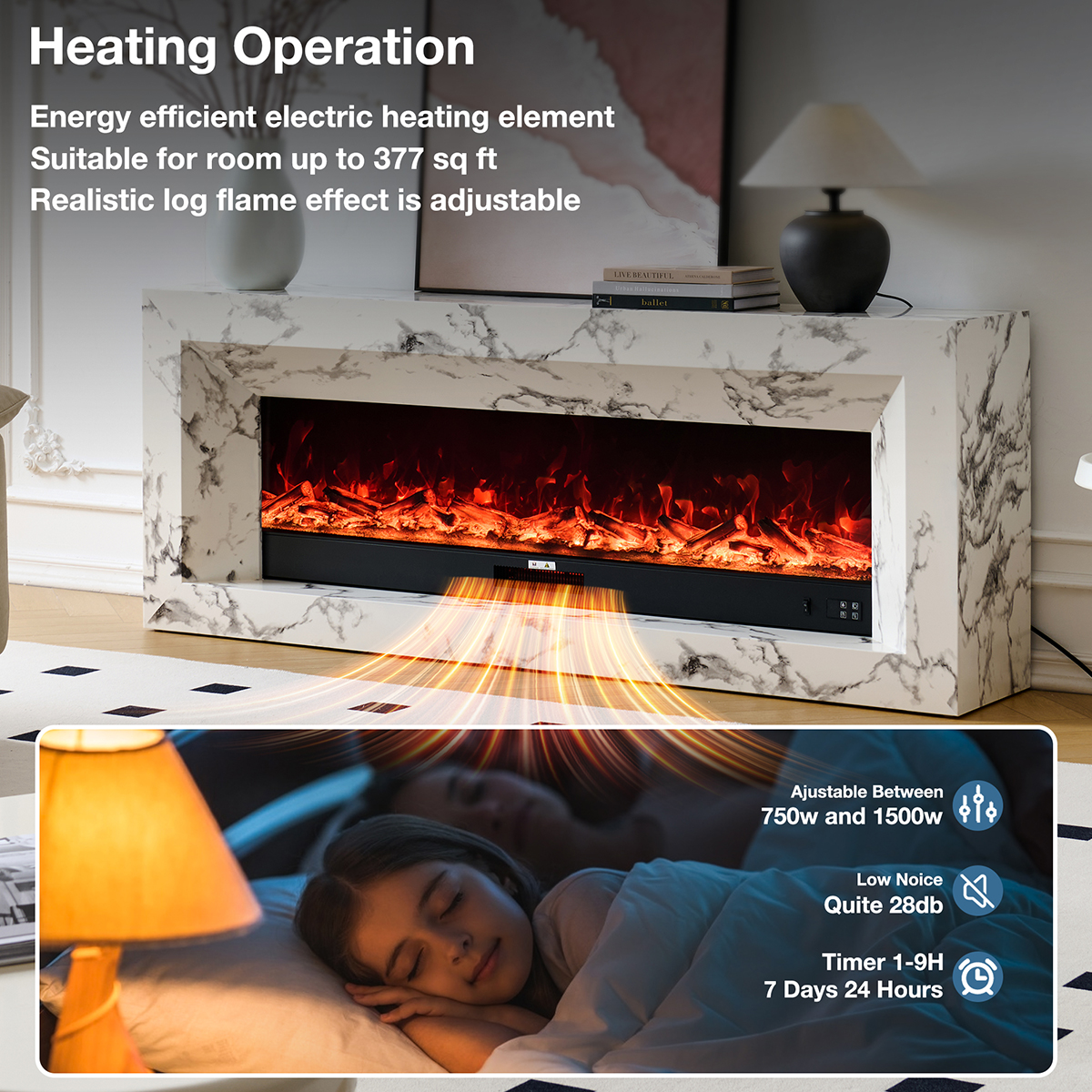
6. Excessive Noise During Operation
What Happens
Noticeable noise occurs during heating or flame operation.
Manufacturer-Level Interpretation
Operational noise is influenced by fan motor selection, structural tolerance, and assembly precision.
Low-noise performance is critical for hotel rooms and quiet indoor environments.
Control, Power & Environmental Issues
(Lower-frequency but necessary coverage)
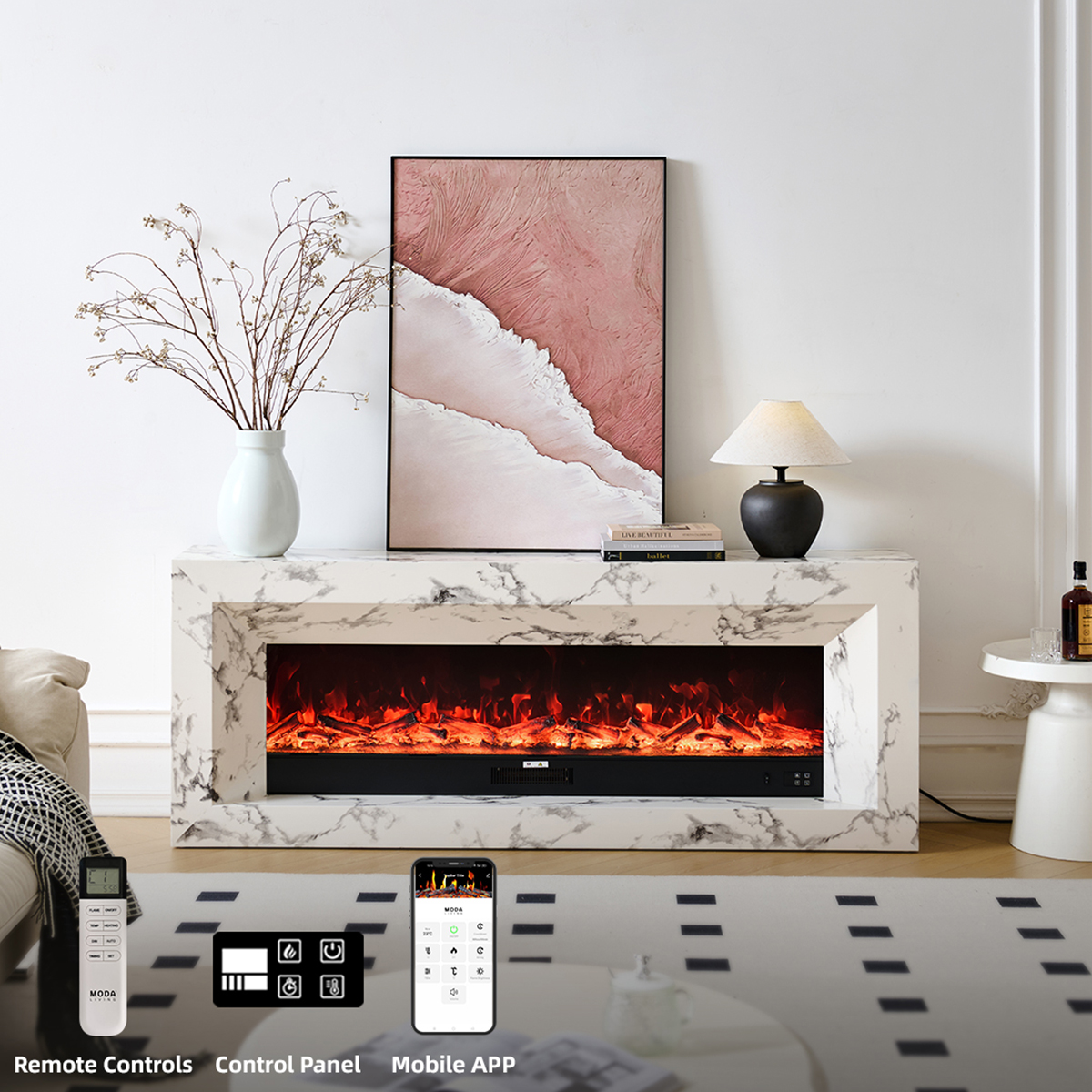
7. Remote Control Not Responding
What Happens
The fireplace does not respond to remote control commands.
Manufacturer-Level Interpretation
Remote control issues are typically related to signal reception design or protocol compatibility.
Manufacturers standardize control systems to reduce user-side confusion.
8. Electric Fireplace Does Not Power On
What Happens
The unit does not respond when connected to power.
Manufacturer-Level Interpretation
Power-related issues may involve internal power modules, wiring standards, or regional voltage compatibility.
9. Unusual Odor During Operation
What Happens
An unusual odor is detected during initial or ongoing operation.
Manufacturer-Level Interpretation
This is commonly associated with initial material heating or dust accumulation and is addressed through material selection and controlled testing.
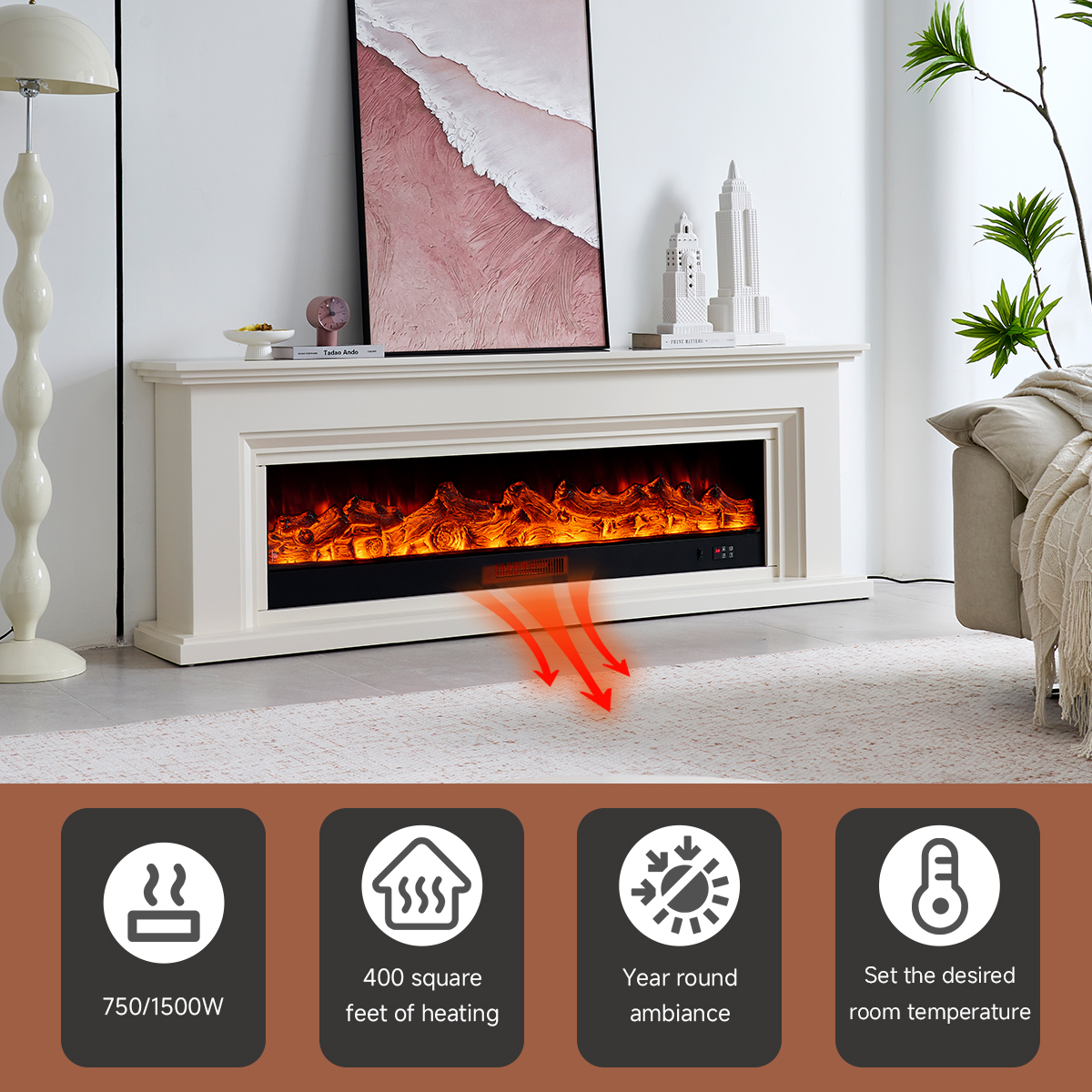
10. Inconsistent or Unstable Heat Output
What Happens
Heat output fluctuates during operation.
Manufacturer-Level Interpretation
Heat stability depends on heater control accuracy and thermal regulation design.
For project buyers, consistent heat output is essential for long-term user satisfaction.
How Manufacturers Reduce Common Electric Fireplace Issues
Professional electric fireplace manufacturers typically focus on:
- Component-level quality inspection
- Long-duration operational testing
- Modular design for key functional parts
- Standardized assembly procedures
- Clear installation and usage documentation
These practices help reduce warranty claims and improve long-term reliability in bulk and project applications.

Technical Reference for Distribution & Project Applications
This article provides a general technical reference based on manufacturing experience.
For buyers evaluating electric fireplaces for distribution, OEM branding, or project installation, understanding product structure and design logic is critical to long-term performance.
Post time: Aug-02-2024