Can an Electric Fireplace Be Installed into a Real Fireplace?
A Practical Retrofit Solution Based on How Electric Fireplaces Work
As traditional wood-burning and gas fireplaces are increasingly retired due to safety regulations, maintenance complexity, and operational costs, many commercial property owners and project developers face a common challenge:
How to reuse an existing fireplace opening without structural modification or costly closure work.
From a technical and operational perspective, electric fireplace inserts are uniquely suited for this purpose — not by coincidence, but because of how electric fireplaces are designed to work.

How Electric Fireplaces Work — and Why This Matters for Retrofit Projects
Electric fireplaces do not rely on combustion. Instead, they operate through three independent systems:
- Visual flame simulation
LED lighting and optical components create a realistic flame effect without real fire.
- Electric heating module (optional)
Heat is generated by an internal electric element and distributed through controlled airflow.
- Self-contained enclosure
All operational components are sealed within the unit, with no need for fuel input, exhaust, or ventilation.
Because there is no burning, no smoke, and no exhaust, electric fireplaces:
- Do not produce heat accumulation within the fireplace cavity
- Do not depend on airflow from surrounding structures
This operating principle is the fundamental reason electric fireplace inserts can be safely installed inside existing real or wood-burning fireplace openings.
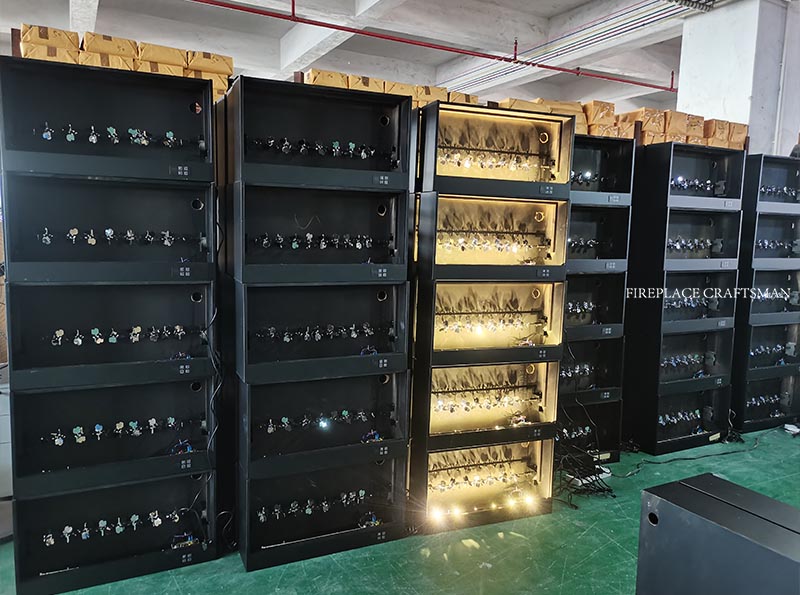
Why Electric Fireplace Inserts Are Ideal for Existing Fireplace Openings
When a real fireplace is no longer in use, its original cavity becomes a non-combustion architectural space. Electric fireplace inserts are designed to operate independently within this space.
Key Technical Advantages
-
No Venting Dependency
Unlike gas or wood fireplaces, electric units do not connect to the chimney. The existing flue can remain unused without affecting performance or safety.
-
Controlled Heat Output
Heat is projected forward into the room rather than absorbed by surrounding masonry, preventing structural overheating.
-
Self-Contained Operation
The unit does not interact with the fireplace structure, making it suitable for retrofitting into existing cavities without reinforcement.
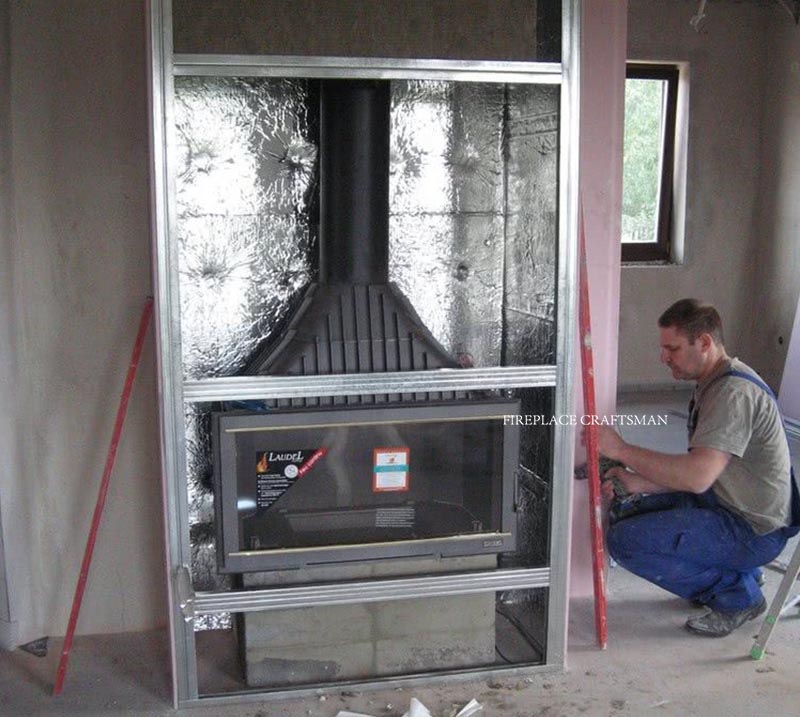
Direct Replacement Without Blocking the Existing Fireplace Opening
Once a traditional fireplace is permanently decommissioned, there is no functional need to block, fill, or conceal the original opening.
Because electric fireplace inserts:
- Do not draw air from the cavity
- Do not exhaust heat or gases into the structure
- Do not require fire-rated enclosure modifications
They can be installed directly into the existing fireplace opening, using the original structure as a finished installation frame.
This approach eliminates:
- Masonry demolition
- Structural infill
- Drywall reconstruction
- Decorative concealment costs
Installation Workflow for Commercial and Multi-Unit Projects
From a supplier and project-support standpoint, installation typically involves:
- Verifying the original fireplace is no longer operational
- Measuring the existing opening dimensions
- Providing standard electrical access
- Securing the electric insert within the cavity
In most retrofit projects, no specialized fireplace or chimney professionals are required, significantly reducing coordination complexity.
Typical B2B Applications
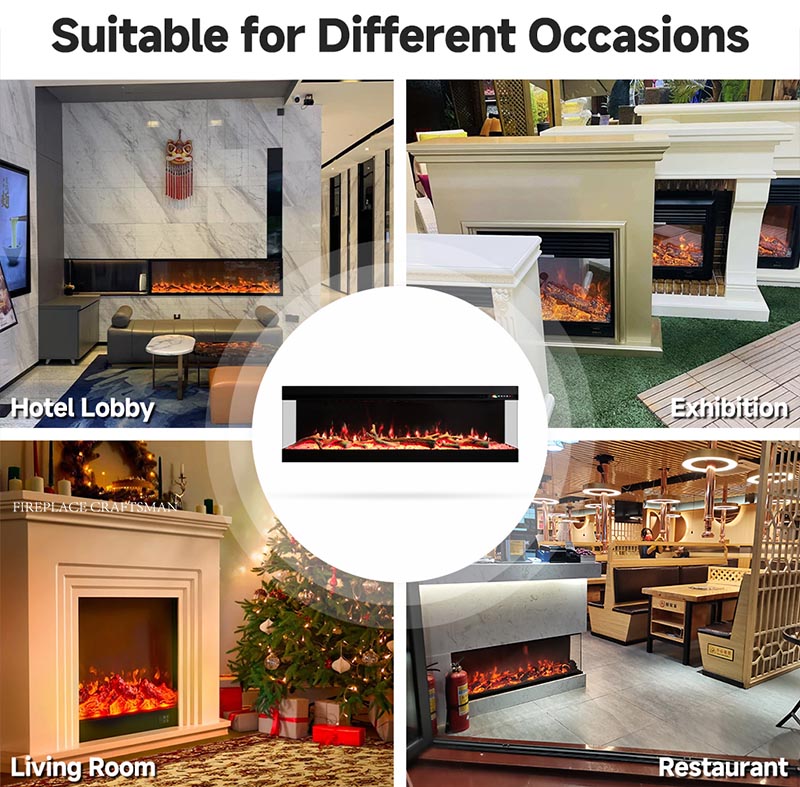
Electric fireplace inserts are widely specified in:
- Apartment and condominium upgrades
- Senior living and healthcare environments
- Commercial lobbies and shared spaces
- Residential developments transitioning away from combustion fireplaces
For large-scale projects, electric inserts support bulk supply, standardized sizing, and customization, ensuring design consistency and predictable installation outcomes.
A Cost-Efficient Alternative to Fireplace Removal
Because electric fireplaces generate heat electrically and simulate flame visually, they do not depend on the original fireplace infrastructure.
As a result, project teams can:
- Preserve existing structures
- Avoid invasive construction
- Shorten renovation timelines
- Maintain budget predictability
This makes electric fireplace inserts one of the most efficient solutions for replacing real fireplaces in commercial retrofit scenarios.

FAQ – Electric Fireplace Inserts in Existing Real Fireplaces
Why are electric fireplaces suitable for installation inside existing real fireplaces?
Because electric fireplaces do not use combustion, they require no ventilation, chimney connection, or structural heat management, allowing them to operate safely inside existing fireplace cavities.
Do electric fireplace inserts generate heat inside the fireplace cavity?
No. Heat is directed outward into the room. The surrounding cavity does not experience combustion-related heat buildup.
Is it necessary to modify or seal the chimney?
No. Since electric fireplaces do not exhaust air or gases, the chimney can remain unused, subject to local code requirements.
Can electric fireplace inserts be used in large commercial projects?
Yes. Their self-contained design, consistent power requirements, and lack of venting make them well suited for hotels, apartments, and multi-unit developments.
Does the working principle reduce maintenance?
Yes. With no fuel, no ash, and no exhaust systems, electric fireplaces require minimal ongoing maintenance compared to traditional fireplaces.
Can electric fireplace inserts be customized for project specifications?
Yes. For B2B applications, customization options typically include size, flame effect, trim finish, and fuel bed configurations.
Post time: May-17-2024